When a water or wastewater treatment plant needs a strong acid for pH adjustment, two options come up most often in the technical manager's analysis: sulfuric acid and hydrochloric acid. Both are strong mineral acids, widely available on the Brazilian industrial market, and both lower the pH of an alkaline water or effluent. Choosing between them, however, is not a neutral decision: it involves differences in chemical behavior, handling and compatibility with the materials already installed at the plant.
The comparison below covers the criteria that actually carry weight in this decision: corrosiveness of the vapors released, handling and storage, acidifying power per volume applied and material compatibility. Neither acid wins across the board: the answer depends on each plant's specific process. The criteria below provide the technical basis for a data-driven decision rather than one based on market habit.
Chemical characteristics of each acid
Sulfuric acid (H2SO4) is a strong diprotic mineral acid: each molecule releases two H+ ions in solution. The most common industrial grade for water treatment is Sulfuric Acid 98%, a viscous, dense, oily liquid, colorless to slightly yellowish, with a density of about 1.84 g/mL. It is highly hygroscopic and its dissolution in water is strongly exothermic.
Hydrochloric acid (HCl) is a strong monoprotic acid, meaning it releases a single H+ ion per molecule. It is generally sold at lower concentrations than sulfuric acid, such as the 32% grade, and it is more volatile: it releases HCl vapors even at room temperature, which calls for extra attention to the corrosion of metals and equipment caused by acid vapor in the area around the storage and dosing point.
This difference in volatility is probably the most relevant point of comparison between the two products, and it is detailed below.
Vapor corrosiveness and impact on the plant environment
The release of HCl vapors by hydrochloric acid is a factor that goes beyond direct handling of the product: the acid vapor spreads through the area around the storage and dosing point, attacking metal structures, electrical panels, control cabinets and other equipment that is not in direct contact with the liquid. At plants where the hydrochloric acid tank sits close to areas with electrical equipment or metal structures without anticorrosion protection, this atmospheric corrosion can become a recurring maintenance problem.
Because sulfuric acid is far less volatile under normal storage and dosing conditions, it reduces this kind of exposure of the surroundings to acid vapor. That does not remove the need for containment basins, adequate ventilation and corrosion-resistant materials in direct contact with the product, but it does reduce the reach of the corrosive effect beyond the immediate handling point.
Acidifying power per volume
Because it is diprotic, sulfuric acid releases twice as many H+ ions per mole of acid as hydrochloric acid, which is monoprotic. Combined with the fact that sulfuric acid is normally sold at a higher concentration (98% versus 32% for hydrochloric), the volume of product needed to achieve the same pH drop tends to be smaller with sulfuric acid than with hydrochloric acid in most pH adjustment applications for water and effluent.
This difference has a direct impact on logistics: less product volume to store and transport per unit of acidity delivered, which can reduce replenishment frequency and the floor space dedicated to storage tanks. Acidifying power per volume, on its own, should not be the only selection criterion, though: the actual dosage required for each water or effluent depends on the alkalinity of the sample and can only be determined reliably by a jar test and titration curve carried out by the technical manager, never by a generic comparison between products.
Handling, storage and material compatibility
Handling of both acids follows the same universal safety rule: always add the acid slowly to the water, never the water to the acid, to avoid spattering and a sudden release of heat at the mixing point.
In storage, hydrochloric acid, because of its volatility, requires extra attention to ventilation of the storage area and to materials that truly resist attack by HCl vapor, not just direct contact with the liquid. Sulfuric acid, because of its high hygroscopicity, requires well-sealed tanks so that it does not absorb moisture from the air, which changes its concentration and releases heat in the process. Both require tanks, piping, valves and pumps made of materials compatible with strong acids, usually engineering polymers or specific metal alloys, and a containment basin sized for the volume stored.
In practice, compatibility with the materials already installed at the plant is one of the most decisive criteria when choosing between the two acids. If the plant already runs tanks and piping designed for one of the two products, switching to the other may require replacing equipment, which completely changes the cost equation of the switch.
Sulfuric acid or hydrochloric acid: which is less corrosive to plant equipment?
It depends on the type of corrosion considered. In direct contact with the liquid, both are corrosive and require materials compatible with strong acids. For atmospheric corrosion, caused by vapor spreading through the surroundings, hydrochloric acid tends to be more aggressive, because it releases HCl vapors more readily than sulfuric acid does under normal storage and dosing conditions. This vapor effect should be taken into account mainly when there is electrical equipment or unprotected metal structures near the storage point.
Can sulfuric acid be replaced with hydrochloric acid for pH adjustment without changes?
Not without reviewing the dosage and the plant's infrastructure. Because the two acids have different acidifying power per volume (sulfuric is diprotic and usually more concentrated) and differ in volatility and material compatibility, replacing one with the other requires redoing the jar test and titration curve for the new dosage, as well as checking whether the existing tanks, piping and valves are compatible with the new product.
Which acid is better suited for pH adjustment of high-flow effluents?
In high-flow processes, the smaller volume of product needed per unit of acidity delivered usually favors sulfuric acid. This reduces refill frequency and storage space per volume of effluent treated. Even so, the final decision depends on compatibility with the materials already installed at the plant and on the actual dosage determined by jar test: the theoretical product volume is only one of the factors.
Boreto & Cardoso: acid supply for water treatment
Boreto & Cardoso has been operating since 1972, with more than 53 years of experience supplying industrial acids, including sulfuric acid and hydrochloric acid for pH adjustment in water treatment plants (WTPs) and wastewater treatment plants (WWTPs). The company holds ISO 9001:2015 certification (GSC Certificadora, registration BR.087.25), with lot traceability and technical documentation (certificate of analysis and safety data sheet) available with every delivery. These elements give the customer's technical manager a basis for comparing and choosing the product best suited to their process.
Request a No-Obligation Quote
Contact us to request:
- A detailed quote for specific products
- Technical information on applications
- Certificates of analysis and documentation
- Special terms for regular purchases
Contact channels:
📞 (11) 3931-1722 | (11) 2366-6260 📱 WhatsApp: (11) 93931-1722 | (11) 98366-6260 📧 boreto@boreto.com.br
Addresses:
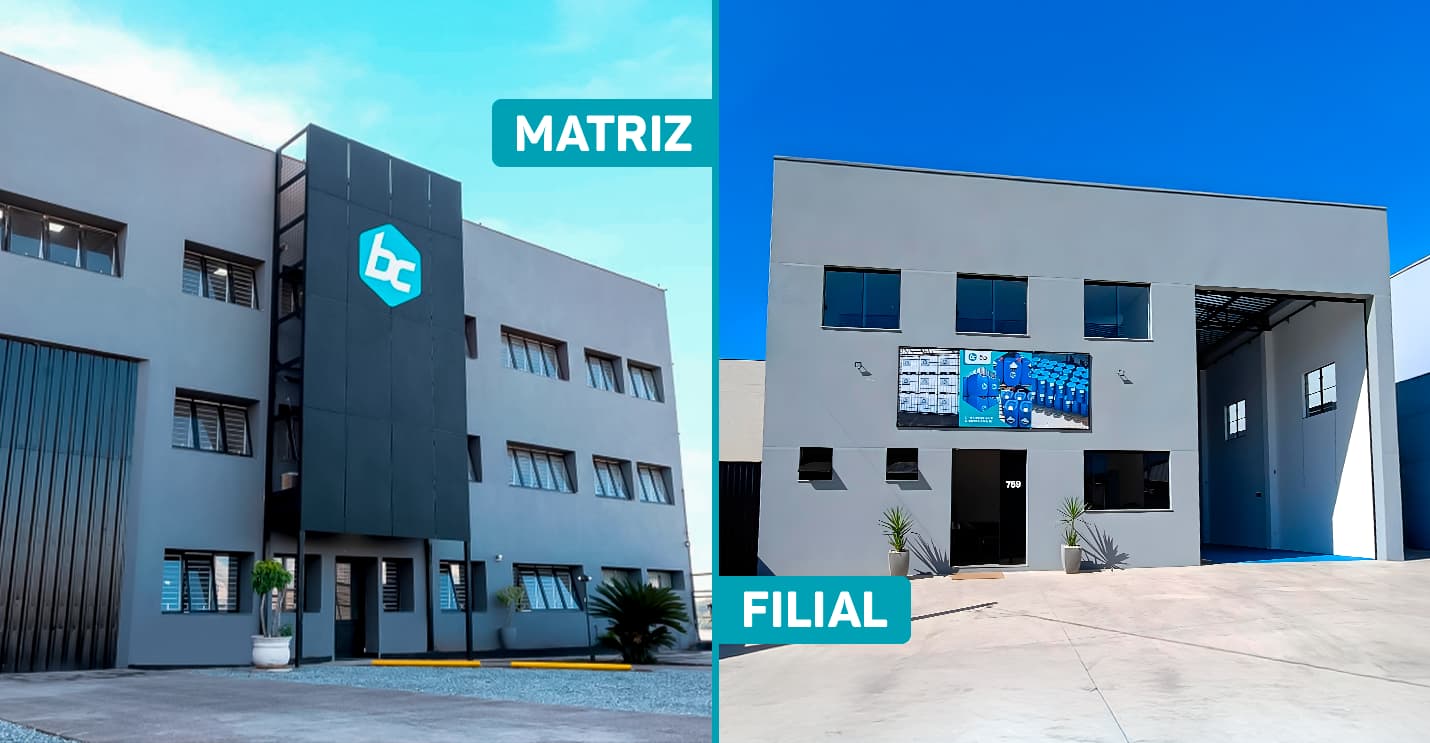
📍 Headquarters: R. Alagoas, 30 - Santana de Parnaíba - SP 📍 Branch: R. Aratibá, 759 - Limeira - SP
Business hours: Monday to Friday: 8:00 a.m. to 6:00 p.m. | Saturday: 8:00 a.m. to 12:00 p.m.
Note to the Reader This article brings together technical information drawn from different sources, with the aim of broadening knowledge about the raw materials mentioned. It is for information purposes only and does not constitute any indication of application, formulation or direct recommendation for use on the part of Boreto & Cardoso. Boreto & Cardoso®, with more than 50 years of experience, operates strictly as a supplier of chemical inputs for a wide range of applications, and each user is responsible for verifying the suitability and compliance of their own application.