Operators at water and wastewater treatment plants handle concentrated sulfuric acid frequently, whether for pH adjustment, resin regeneration or other process steps. Routine handling must not dull the perception of risk: concentrated sulfuric acid is highly corrosive, and procedural failures, even small ones, can result in serious injuries.
The practices below cover the appropriate personal protective equipment, precautions for storage at the point of use, the correct procedure in case of a splash or spill, and the role of the Safety Data Sheet (SDS) in day-to-day operations at water and wastewater treatment plants. They serve as a practical reference for operators and technical leads; they do not replace the formal training required before any handling.
Why concentrated sulfuric acid requires extra care
Sulfuric acid (H2SO4) is a strong, diprotic mineral acid. At the concentration used for industrial grade, such as Sulfuric Acid 98%, it is a viscous, dense, oily liquid, colorless to slightly yellowish, with a density of about 1.84 g/mL. Two characteristics make handling particularly demanding.
The first is its direct corrosiveness to skin and mucous membranes. Contact between concentrated acid and living tissue causes chemical burns, which worsen the longer the exposure lasts before decontamination. The second is its strongly hygroscopic nature combined with an intense exothermic reaction with water: sulfuric acid absorbs moisture from the air and, when it comes into contact with a larger volume of water, releases heat quickly and in considerable amounts. For this reason, every handling, dilution and incident response procedure must account for both the risk of direct contact and the thermal risk.
Appropriate PPE for handling sulfuric acid
Personal protective equipment is the first barrier between the operator and the concentrated acid. It must be worn for every handling operation, including those seen as routine or low risk.
Eye and face protection
Chemical safety goggles with side seals are mandatory for any handling of concentrated sulfuric acid. In operations with a splash risk (transfer between containers, opening connections, preparing solutions), a face shield worn over the goggles is recommended, since splashes can reach parts of the face that goggles alone do not cover.
Hand protection
Acid-resistant gloves are mandatory during handling. The appropriate material (nitrile, PVC or neoprene) should be chosen according to the concentration of the acid handled and the expected contact time during the task, following the product SDS and the glove manufacturer's recommendations on permeation time.
Body protection
A chemical-resistant impermeable apron or suit protects the torso and limbs from splashes during transfers, dilutions and hose or pipe connections. Closed, chemical-resistant footwear completes the protection and prevents exposure in the event of a spill at floor level.
Emergency shower and eyewash station
Every point where concentrated sulfuric acid is handled must have an emergency shower and an eyewash station nearby, with unobstructed access and ready for immediate use. In case of skin or eye contact, the time between exposure and the start of flushing is decisive in limiting the extent of the injury, which makes the distance to this equipment an important safety factor in the facility layout.
Storage at the point of use
Storing sulfuric acid near the dosing point requires the same precautions as larger-scale storage, adapted to the volume handled day to day. Working containers must be clearly labeled, intact and compatible with the product; materials that react with the acid must not be used.
The storage area at the point of use must have an impermeable floor with adequate containment to hold any spill and keep the liquid from reaching drains, soil or bodies of water. Ventilation must be sufficient to disperse vapors. The acid must also be kept away from incompatible materials, especially strong bases and combustible materials.
Whenever dilution is needed at the point of use, the universal safety rule applies: the acid is added slowly to the water, never the water to the acid. This order prevents the sudden release of heat and the splashing caused by localized boiling of the water.
Procedure in case of a splash or spill
Every plant that handles sulfuric acid must have a clear procedure, known to all operators, for responding to splashes and spills. This procedure requires prior training; written instructions kept in a file are not enough.
If the acid comes into contact with the skin or eyes, the immediate response is to flush with plenty of running water, in the emergency shower or eyewash station, continuing for the time indicated in the product SDS, and then seek medical attention. Contaminated clothing should be removed during flushing, as long as this does not delay the start of decontamination.
In the event of a spill in the work area with no direct personal contact, the area must be isolated and ventilation increased where possible. Containment of the spilled liquid must follow the procedure established by the plant. Direct contact is allowed only with the appropriate PPE and by personnel specifically trained in spill response for that product. Neutralization and disposal of the contained material must follow the applicable environmental guidelines and the SDS instructions.
What should I do if sulfuric acid splashes on the skin?
The immediate response is to flush the affected area with plenty of running water, in the emergency shower available on site, removing contaminated clothing during flushing. Flushing must continue for the time indicated in the product's Safety Data Sheet, and the affected person must then receive medical attention, even if the injury looks minor at first.
Why should you never add water to sulfuric acid?
Adding water to concentrated sulfuric acid, instead of the other way around, concentrates the heat release in a small volume of liquid, which can cause localized boiling and acid splashes out of the container. The correct rule is always to add the acid to the water, slowly and with stirring, so that the heat released during dissolution dissipates into a larger volume of liquid.
Does the Safety Data Sheet always need to be at the point of use?
Yes. The sulfuric acid Safety Data Sheet (SDS) must be available where the product is handled, accessible to any operator at any time. Keeping it on file only in an administrative department does not meet this requirement. It contains the information needed to respond correctly to exposures, spills and disposal, and it is a mandatory reference in any emergency procedure.
Boreto & Cardoso: sulfuric acid supply with safety documentation
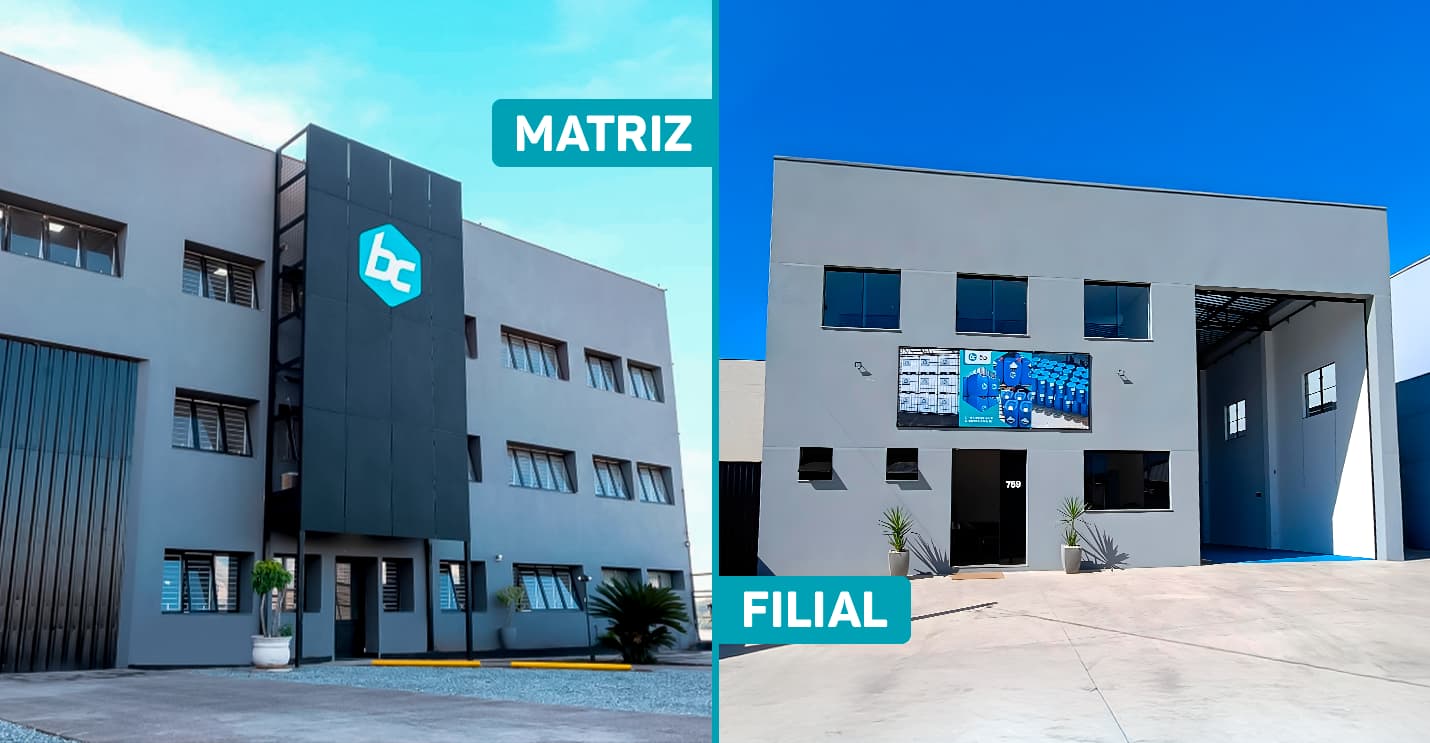
Boreto & Cardoso has supplied industrial chemical inputs since 1972, with its head office in Santana de Parnaíba and a branch in Limeira, in the state of São Paulo, and holds ISO 9001:2015 certification from GSC Certificadora, registration BR.087.25. Every sulfuric acid delivery comes with the corresponding technical documentation, including the Safety Data Sheet, a document the treatment plant needs in order to establish and maintain its safe handling procedures. See the Sulfuric Acid 98% data sheet for concentration, density and other product characteristics.
Request a No-Obligation Quote
Contact us to request:
- A detailed quote for specific products
- Technical information on applications
- Certificates of analysis and documentation
- Special terms for regular purchases
Contact channels:
📞 (11) 3931-1722 | (11) 2366-6260 📱 WhatsApp: (11) 93931-1722 | (11) 98366-6260 📧 boreto@boreto.com.br
Addresses:
📍 Head Office: R. Alagoas, 30, Santana de Parnaíba, SP 📍 Branch: R. Aratibá, 759, Limeira, SP
Business hours: Monday to Friday: 8 a.m. to 6 p.m. | Saturday: 8 a.m. to 12 p.m.
Note to the Reader This article brings together technical information drawn from various sources, with the aim of broadening knowledge about the raw materials mentioned. It is informational material only and does not represent any indication of application, formulation or direct recommendation of use on the part of Boreto & Cardoso. Boreto & Cardoso®, with more than 50 years of experience, operates strictly in the supply of chemical inputs for a wide range of applications, and it is up to each user to verify the suitability and compliance of their application.