Ion exchange demineralization and softening systems depend on a finite resource: the resin's capacity to retain cations. Each liter of strong acid cation resin has a limited number of active sites, and as water flows through the bed, those sites are taken up by calcium, magnesium, sodium and other cations present in the raw water. Once most of the sites are occupied, the resin loses exchange efficiency and must be regenerated before it can operate within the specification required by the process again.
Regeneration with a strong acid is the step that restores the resin's exchange capacity. Sulfuric acid and hydrochloric acid are the most common options for strong acid cation resins. Understanding the chemistry behind regeneration, and the specific precautions sulfuric acid requires, helps operators maintain bed performance over time and avoid fouling problems that shorten resin life.
How ion exchange works in cation resins
A strong acid cation resin is an insoluble polymer matrix with acidic functional groups (typically sulfonic) attached to its structure. These groups carry hydrogen ions (H+) available for exchange. When raw water passes through the bed, the cations in the water (calcium, magnesium, sodium and others) have a greater affinity for the resin than hydrogen does under normal operating conditions, and the exchange takes place: the cation from the water occupies the resin's active site, and an H+ ion is released into the treated water.
This mechanism is reversible by nature. As the active sites fill with cations from the water, the exchange capacity decreases until the resin is exhausted, that is, until it reaches the point where it no longer retains cations effectively. This is when regeneration becomes necessary.
Why the resin needs to be regenerated
Resin saturation is neither a defect nor a material failure: it is the expected behavior of any ion exchange process. The bed has a finite capacity, measured as the amount of cations it can retain before losing efficiency. Without periodic regeneration, the treated water starts to show residual hardness or off-spec conductivity, compromising the downstream process (boilers, cooling systems, demineralized water production).
The role of sulfuric acid in regeneration
Regeneration reverses the exhaustion process. A strong acid solution, with a high concentration of H+ ions, is passed through the saturated bed. Because the H+ concentration in the regenerant solution is far higher than that of the cations held on the resin, the chemical equilibrium shifts in the opposite direction from the service step: the retained cations (calcium, magnesium, sodium) are displaced from the active sites and leave the bed dissolved in the spent solution, while the sites are taken up by H+ again.
At the end of regeneration, the resin is back in the acid (H+) form, ready to start the exchange cycle again. Sulfuric Acid 98% is one of the options used at this stage, alongside hydrochloric acid, and the choice between the two usually considers factors such as cost, availability, the characteristics of the water to be treated and the behavior of the salts formed during regeneration, which is covered in the next section.
Does sulfuric acid regenerate any type of resin?
Sulfuric acid is used specifically to regenerate strong acid cation resins, which retain cations such as calcium, magnesium and sodium. It does not regenerate anion resins, which retain anions and are regenerated with strong bases such as sodium hydroxide. Each type of resin requires the regenerant that matches the nature of the ions it exchanges.
Operating precaution: risk of calcium sulfate precipitation
The most important point to watch when using sulfuric acid as a regenerant is the behavior of calcium sulfate (CaSO4), which forms when calcium displaced from the resin combines with the sulfate in the regenerant acid itself. Calcium sulfate has low water solubility compared with other salts formed during regeneration, such as calcium chloride (produced when hydrochloric acid is used, and far more soluble).
When the treated water has high calcium hardness, the amount of calcium retained on the resin during the service cycle is high. During regeneration, if the sulfuric acid solution is too concentrated, the calcium sulfate formed locally inside the bed can exceed its solubility limit and precipitate as a solid within the resin itself. This precipitate deposits on the resin beads and inside the bed. The result is a smaller area available for ion exchange, which hurts the efficiency of subsequent regenerations. In more severe cases, the fouling is hard to reverse and permanently reduces the bed's usable capacity.
For this reason, when working with water of high calcium hardness, the usual practice is to regenerate with more dilute sulfuric acid solutions than those normally used with hydrochloric acid, and to assess whether, for that specific water composition, hydrochloric acid is the safer option in terms of the solubility of the salts formed. The decision depends on analysis of the feed water and the operating conditions of the system, and should be made by the team responsible for treatment based on those conditions.
What causes a resin regenerated with sulfuric acid to lose efficiency?
The most common cause of efficiency loss after sulfuric acid regeneration is calcium sulfate precipitating inside the bed, usually linked to using a regenerant solution that is too concentrated with water of high calcium hardness. The precipitate reduces the contact area available for the next ion exchange step and can build up over time if the cause is not corrected.
Sulfuric acid or hydrochloric acid: which should be used for regeneration?
There is no single answer. Sulfuric acid is usually considered when cost and availability favor it and the calcium hardness of the water is at levels that can be managed by controlling concentration. Hydrochloric acid forms far more soluble calcium salts and lowers the risk of precipitation in water with high calcium hardness, which is why it is usually preferred in those cases. The right choice depends on the composition of the treated water and the characteristics of the system, and should be assessed technically before the regenerant is chosen.
Why does the resin lose capacity even when it is regenerated correctly?
Even with well-run regeneration, ion exchange resins have a limited service life. Continuous use, exposure to contaminants in the raw water and repeated exchange and regeneration cycles gradually wear down the polymer matrix and the active functional groups. This is a separate issue from fouling by precipitation: it is the natural degradation of the material over time, which eventually requires the resin to be replaced, regardless of how well it has been regenerated.
Boreto & Cardoso: traceable sulfuric acid supply for resin regeneration
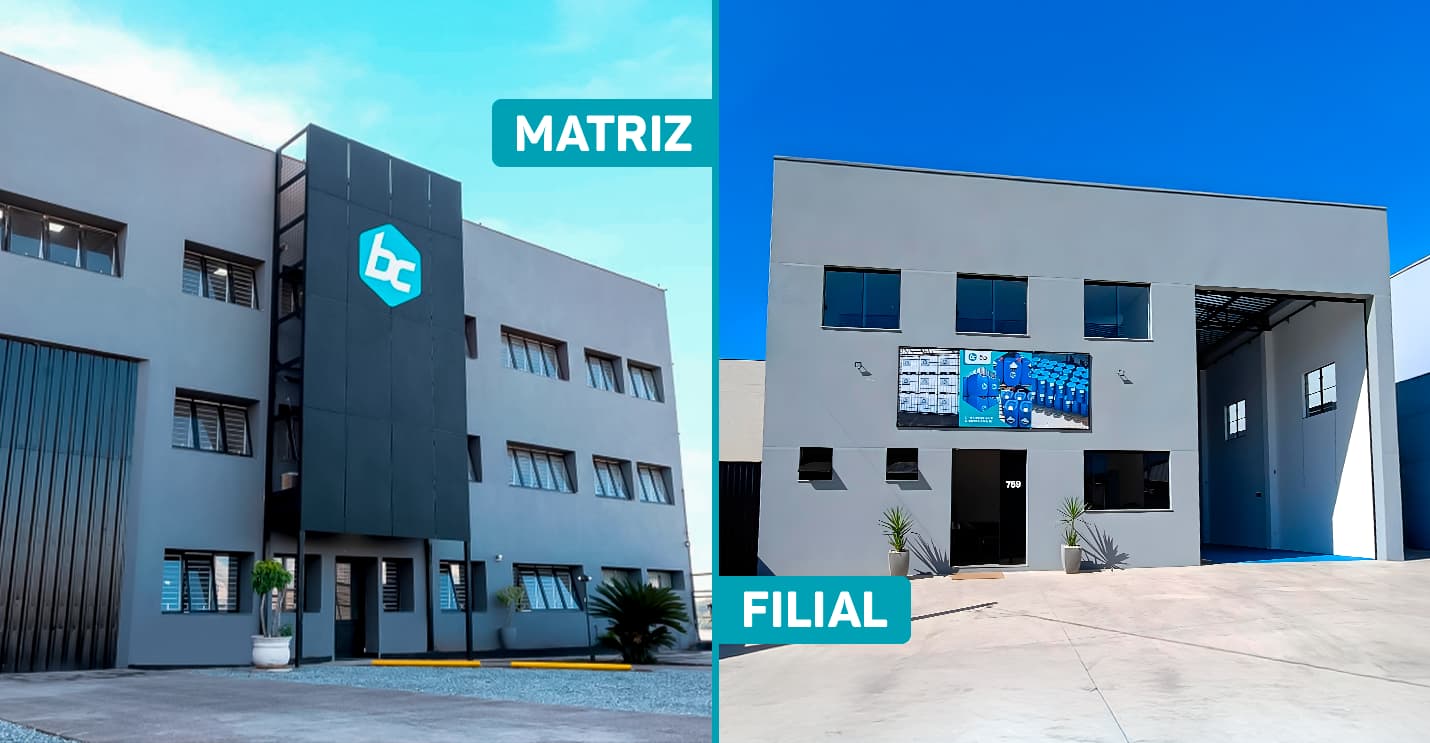
Boreto & Cardoso has supplied industrial chemical inputs since 1972, with headquarters in Santana de Parnaíba and a branch in Limeira, both in the state of São Paulo. The company holds ISO 9001:2015 certification from GSC Certificadora, registration BR.087.25, and supplies sulfuric acid with technical documentation and lot traceability, which matter for water treatment operations that depend on regenerants with consistent specifications from one delivery to the next. See the Sulfuric Acid 98% technical data sheet for concentration, density and other product characteristics.
Request a No-Obligation Quote
Get in touch to request:
- A detailed quote for specific products
- Technical information about applications
- Certificates of analysis and documentation
- Special terms for regular purchases
Contact channels:
📞 (11) 3931-1722 | (11) 2366-6260 📱 WhatsApp: (11) 93931-1722 | (11) 98366-6260 📧 boreto@boreto.com.br
Addresses:
📍 Headquarters: R. Alagoas, 30 - Santana de Parnaíba - SP 📍 Branch: R. Aratibá, 759 - Limeira - SP
Business hours: Monday to Friday: 8 a.m. to 6 p.m. | Saturday: 8 a.m. to 12 p.m.
Note to the Reader This article brings together technical information drawn from different sources, with the aim of broadening knowledge about the raw materials mentioned. It is informational material only and does not represent any recommendation by Boreto & Cardoso regarding application, formulation or direct use. Boreto & Cardoso®, with more than 50 years of experience, works strictly as a supplier of chemical inputs for a wide range of applications, and each user is responsible for verifying the suitability and compliance of their own application.