In water treatment plants (WTPs) and wastewater treatment plants (WWTPs), the pH of raw water or wastewater rarely arrives already within the range required by the next process step or by the discharge limit. Intake water with high hardness, alkaline industrial wastewater or earlier treatment steps that push pH above the target are common situations that call for adjustment before the next operation, whether that is coagulation, flocculation or simply final discharge.
Sulfuric acid (H2SO4) is one of the most widely used inputs for this adjustment precisely because it is a strong, diprotic mineral acid: each molecule releases two H+ ions, which gives it high acidifying power per volume applied compared with monoprotic acids at the same concentration. This reduces the volume of product needed to reach the desired pH drop, but it also demands extra care in how the product is diluted, dosed and applied.
Why use sulfuric acid for pH adjustment
In water and wastewater treatment, pH adjustment typically comes up at two points at least: before chemical coagulation, when the raw water pH must be in the optimal range for the coagulant to work, and before final discharge, when the treated wastewater must meet the pH limit set for disposal.
Sulfuric Acid 98% is the most common industrial grade for this purpose. It is a viscous, dense, oily liquid, colorless to slightly yellowish, with a density of about 1.84 g/mL. Because it is highly concentrated, the amount of product needed per cubic meter of treated water or wastewater tends to be lower than with acids sold at lower concentrations, which has a direct impact on inventory logistics and replenishment frequency.
One point that must always be part of the planning: dissolving concentrated sulfuric acid in water is strongly exothermic. The reaction releases intense heat and, if handled improperly, can cause splashing, localized boiling and overheating at the mixing point. This thermal behavior is the direct reason behind the dilution and dosing practices described below.
Dosing best practices
Pre-dilution before application
Applying 98% sulfuric acid directly at the pH adjustment point, without pre-dilution, increases operational risk and makes fine dosing control harder. Because the product is so concentrated, small variations in the dosing flow of neat acid cause large pH swings at the application point. Process control becomes unstable.
Pre-diluting in water, in a dedicated preparation tank with agitation and a cooling system when needed, gives a more predictable solution with a more gradual pH response. This dilution must always follow the universal safety rule: add the acid slowly to the water, never the water to the acid. Adding water to a volume of concentrated acid can cause acid spattering and a sudden release of heat at the contact surface, putting the operator directly at risk.
Application point and mixing
The dosing point must ensure fast, uniform dispersion of the acid throughout the water or wastewater, avoiding zones of localized low pH that can damage piping, valves or the mixing tank itself. Application points in areas of natural flow turbulence, such as just downstream of a Parshall flume or in a section with a diffuser injector, usually favor this dispersion compared with simply discharging by gravity onto a calm surface.
It is also important to consider how the pH control system responds. When there is a pH probe and an automatic dosing loop, the response time between acid application and the sensor reading must match the process mixing time, or there is a risk of overdosing due to delayed readings.
Why jar testing and titration come before full-scale dosing
No sulfuric acid dosage for pH adjustment should be set based only on market references or on values used at another plant. Every raw water and every wastewater has a different buffering capacity (alkalinity), and it is precisely this alkalinity that determines how much acid is needed to move the pH from one point to another.
The jar test, run at bench scale, and the acid-base titration curve of the specific water or wastewater are the tools that allow the technical lead to determine the actual dosage needed before any full-scale application. Dosage ranges published as market references serve only as a starting point for testing, never as a final operating value. Boreto & Cardoso operates as a chemical input distributor, not as a process formulator, so setting the final dosage is always the technical responsibility of the customer and its laboratory or process lead.
Operational precautions
Storing sulfuric acid requires tanks and piping compatible with the product, generally made of materials resistant to acid corrosion, with a containment basin sized for the stored volume. The product's high hygroscopicity (its tendency to absorb moisture from the air) reinforces the need to keep tanks well sealed, reducing both unwanted dilution and the heat released when it absorbs atmospheric water.
Personal protective equipment (gloves, chemical safety goggles, apron and respiratory protection where applicable) is mandatory at every stage of handling, dilution or dosing. Emergency showers and eyewash stations must be accessible near the point where the product is handled.
What is the difference between pH adjustment before coagulation and before final discharge?
pH adjustment before coagulation brings the raw water into the optimal range for the chemical coagulant, improving floc formation. Adjustment before discharge brings the already treated wastewater within the pH limit required for disposal, usually close to neutral. The dosing points, the volumes involved and even the required dosage can be quite different between these two steps, even within the same plant.
Is it safe to dose 98% sulfuric acid without pre-dilution?
Technically it is possible in systems designed for it, but it is not the recommended practice at most water and wastewater treatment plants. Pre-dilution improves fine pH control, reduces the risk of thermal shock and acid spattering at the application point and helps the automatic control system respond. When concentrated product is dosed directly, the system needs valves, pumps and mixing points specifically designed for that condition.
How do I find the right sulfuric acid dosage for my water or wastewater?
There is no single value that applies to every water or wastewater: the dosage depends directly on the alkalinity and initial pH of the water or wastewater in question. The correct way to determine it is through a bench-scale jar test, building the actual titration curve of the sample before applying any volume at full plant scale. Market reference ranges should be used only as a starting point for testing.
Boreto & Cardoso: sulfuric acid supply for water treatment
Boreto & Cardoso has been in business since 1972, with more than 53 years supplying industrial chemical inputs, including sulfuric acid for water and wastewater treatment applications. The company is ISO 9001:2015 certified (GSC Certificadora, registration BR.087.25), with batch traceability and technical documentation (certificate of analysis and safety data sheet) available for every delivery. These documents help the customer's technical lead validate the product received against the process specifications.
Request a No-Obligation Quote
Contact us to request:
- A detailed quote for specific products
- Technical information on applications
- Certificates of analysis and documentation
- Special terms for regular purchases
Contact channels:
📞 (11) 3931-1722 | (11) 2366-6260 📱 WhatsApp: (11) 93931-1722 | (11) 98366-6260 📧 boreto@boreto.com.br
Addresses:
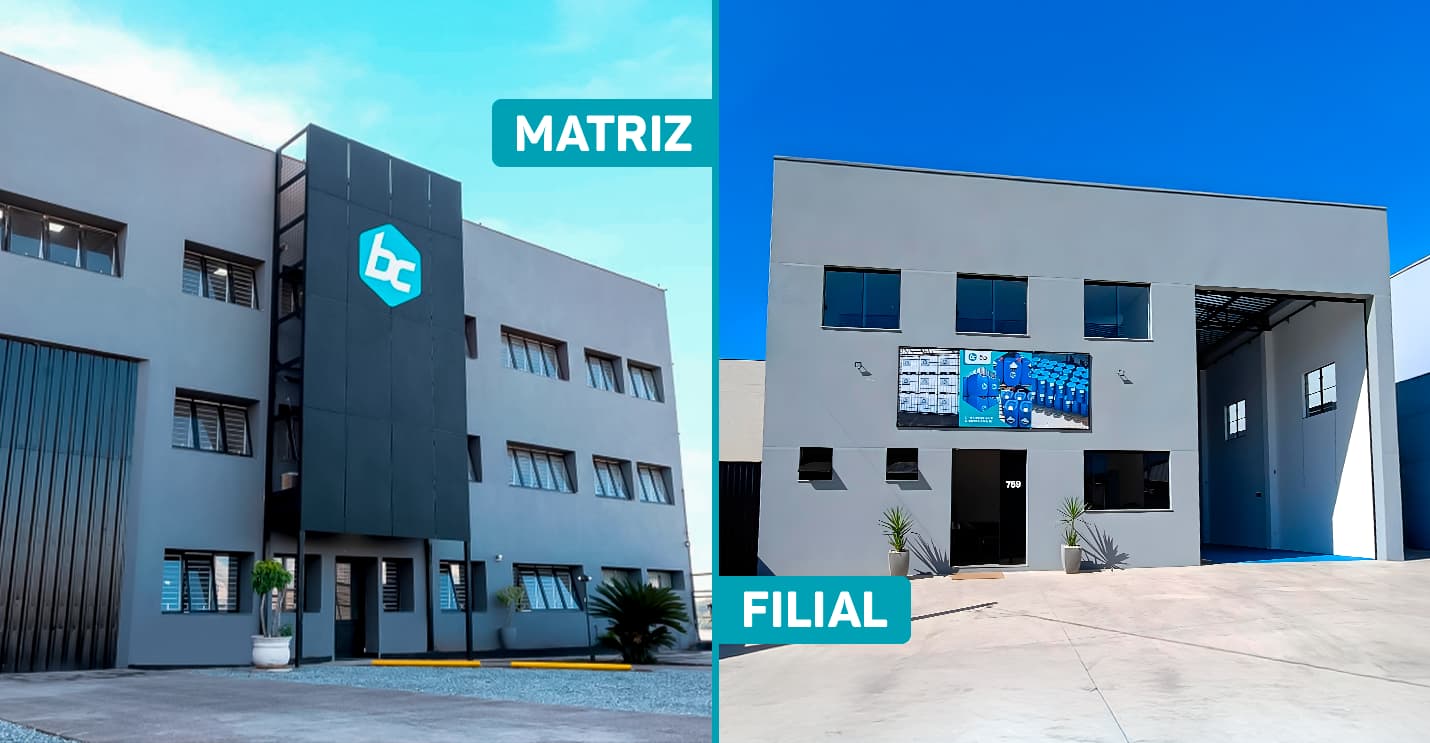
📍 Head Office: R. Alagoas, 30, Santana de Parnaíba, SP 📍 Branch: R. Aratibá, 759, Limeira, SP
Business hours: Monday to Friday: 8 a.m. to 6 p.m. | Saturday: 8 a.m. to 12 p.m.
Note to the Reader This article brings together technical information drawn from various sources, with the aim of broadening knowledge about the raw materials mentioned. It is informational material only and does not represent any indication of application, formulation or direct recommendation of use on the part of Boreto & Cardoso. Boreto & Cardoso®, with more than 50 years of experience, operates strictly in the supply of chemical inputs for a wide range of applications, and it is up to each user to verify the suitability and compliance of their application.