Improper storage of sulfuric acid is one of the most common causes of failure in industrial tanks and vessels. The problem rarely lies in choosing an obviously wrong material; in most cases, it lies in applying a generic rule ("steel works", "plastic works") without checking the concentration, operating temperature and exposure history of the equipment.
Concentration and temperature change the product's compatibility with metals, secondary containment plays a direct role in system safety, and attention to ventilation and moisture influences tank corrosion over time. The final decision on tank material must be based on the tank manufacturer's technical data sheet, not just on the chemical product's data sheet.
Material compatibility: why there is no single answer
Industrial grade 98% Sulfuric Acid is a viscous, dense, oily liquid, colorless to slightly yellowish, with a density close to 1.84 g/mL. One of its most relevant characteristics for storage is that it is strongly hygroscopic: the product absorbs moisture from the air, and this absorbed moisture changes how corrosive the acid is to the metal it contacts.
Carbon steel shows clearly why a fixed rule does not work. At very high concentrations (around 93% to 98%) and in dry conditions at moderate ambient temperature, carbon steel can offer reasonable resistance, forming an iron sulfate layer that reduces the corrosion rate. Outside this window, however, its behavior changes quickly: dilute acid, higher temperatures or moisture ingress significantly accelerate the attack on the metal. In other words, the same material that works under one specific condition can fail under another, with the same chemical.
For this reason, more versatile materials that resist a wider range of conditions are also used in industry: certain plastics and polymers, such as high-density polyethylene, are common in smaller tanks, and special steels and alloys are specified for more aggressive conditions, such as higher temperatures or intermediate concentrations. Each family of materials has its own limits for temperature, concentration and expected service life, and none should be chosen merely by analogy with another installation.
How to choose the right material for a tank
The right choice relies on two documents, not one: the sulfuric acid's Safety Data Sheet (SDS, under ABNT NBR 14725, the Brazilian technical standard for chemical hazard communication), which provides the concentration, density and other product data, and the chemical compatibility chart supplied by the tank manufacturer, which shows the actual limits of that specific material as a function of concentration and temperature. A generic compatibility chart found in reference material is a starting point, never a final validation. The tank manufacturer is the one accountable for the properties of the material used in that specific piece of equipment.
Temperature, ventilation and secondary containment
A storage system that is well designed on paper only stays safe over time if three operational factors are kept under control.
Temperature control
Storage temperature directly affects the corrosion rate of the tank material and the viscosity of the product. Tanks exposed to direct sunlight or installed near heat sources tend to run hotter than designed, which reduces the safety margin built into the manufacturer's compatibility chart. Whenever possible, the tank should be installed under cover or with thermal protection, and the actual operating temperature should be monitored and compared with the limits given by the equipment manufacturer.
Ventilation
The storage area must have enough ventilation to disperse any vapors released while the product is being handled, such as during tank loading and unloading. Insufficient ventilation favors the buildup of acid vapors and makes it easier for moisture to come into contact with the product. This worsens the hygroscopic behavior of sulfuric acid and accelerates corrosion at the tank's seals, flanges and vents.
Secondary containment
Every sulfuric acid tank must be installed inside a secondary containment basin sized to hold the total volume of the tank in the event of a leak, without the liquid reaching uncontained floors, drains, soil or bodies of water. The basin must be built from a material compatible with the product: in a real leak, the acid may remain in contact with the containment surface for a long time, until the incident response is complete. Leak detection systems and periodic inspection of the tank's joints and connections complement physical containment. This makes it possible to identify failures before they turn into larger leaks.
Which material is best for storing concentrated sulfuric acid?
No single material is best for every situation. Carbon steel works well for very high, dry concentrations at moderate ambient temperature, but loses resistance quickly if the product is diluted, heated or exposed to moisture. High-density polyethylene and other polymers are often used for smaller tanks, and special steels or alloys handle more aggressive temperature or concentration conditions. The right choice depends on the actual concentration of the stored product, the expected operating temperature and the tank manufacturer's specific compatibility chart.
Why does sulfuric acid absorb moisture during storage?
Concentrated sulfuric acid is highly hygroscopic, meaning it has a strong affinity for the water molecules in the air. This causes the product to pick up ambient moisture over time, especially in poorly ventilated areas or in tanks with compromised seals. The absorbed moisture changes the effective concentration of the acid in contact with the tank walls, which can accelerate corrosion of materials that only resist the product well under dry conditions.
Is secondary containment mandatory for sulfuric acid tanks?
Secondary containment is a widely recommended and expected safety practice for storing corrosive products such as sulfuric acid, acting as a barrier against contamination of soil and bodies of water if the main tank leaks. Specific requirements vary according to the environmental and municipal legislation that applies to the site, so a review of local regulations and of the product's SDS should guide the sizing and material of the containment basin.
Boreto & Cardoso: sulfuric acid supplied with technical documentation
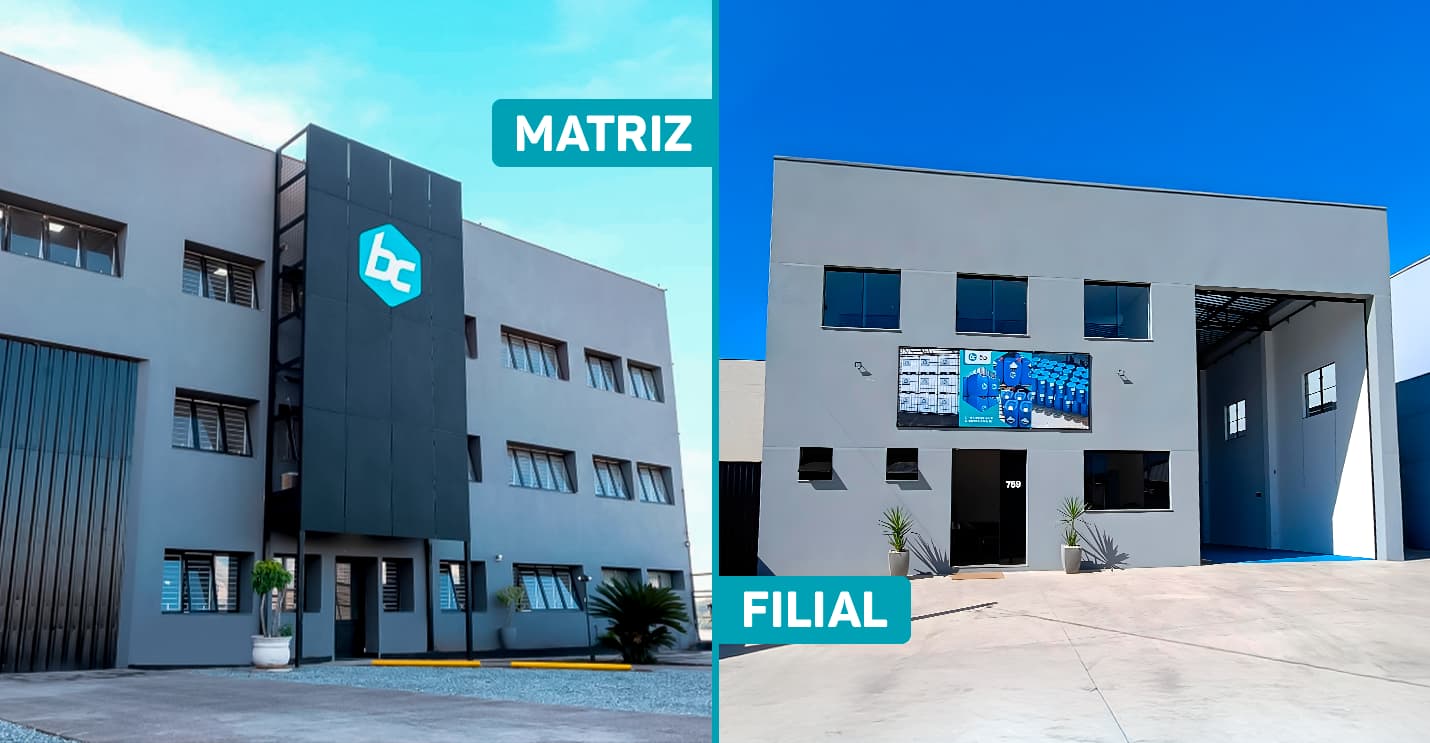
Boreto & Cardoso has been distributing industrial chemical inputs since 1972, with its head office in Santana de Parnaíba and a branch in Limeira, in the state of São Paulo, and ISO 9001:2015 certification from GSC Certificadora, registration BR.087.25. Every supply of sulfuric acid comes with lot traceability and the corresponding technical documentation, including the Safety Data Sheet. The team responsible for the installation should use this sheet as the basis for assessing, together with the equipment manufacturer, the product's compatibility with the available tank. See the technical data sheet for 98% Sulfuric Acid for the product's concentration and density data.
Request a No-Obligation Quote
Contact us to request:
- A detailed quote for specific products
- Technical information on applications
- Certificates of analysis and documentation
- Special terms for regular purchases
Contact channels:
📞 (11) 3931-1722 | (11) 2366-6260 📱 WhatsApp: (11) 93931-1722 | (11) 98366-6260 📧 boreto@boreto.com.br
Addresses:
📍 Head office: R. Alagoas, 30 - Santana de Parnaíba - SP 📍 Branch: R. Aratibá, 759 - Limeira - SP
Business hours: Monday to Friday: 8 a.m. to 6 p.m. | Saturday: 8 a.m. to 12 p.m.
Note to the Reader This article brings together technical information drawn from various sources, with the aim of broadening knowledge about the raw materials mentioned. It is informational material only and does not represent any application, formulation or direct use recommendation on the part of Boreto & Cardoso. Boreto & Cardoso®, with more than 50 years of experience, operates strictly as a supplier of chemical inputs for a wide variety of applications, and each user is responsible for verifying the suitability and compliance of their application.