The Kjeldahl method has been used for decades to determine total nitrogen in samples of food, pharmaceutical products, fertilizers and other raw materials. The nitrogen content found usually serves as a proxy for protein content. It is an official method, recognized internationally by AOAC, and part of the routine in quality control laboratories.
The step that opens the whole process is the acid digestion of the sample: the material is heated in concentrated sulfuric acid, in the presence of a catalyst, until the organic nitrogen it contains is converted into ammonium sulfate. Only after this conversion can the following steps (distillation and titration) quantify the nitrogen reliably. Any deviation introduced in this first step carries through to the final result. That is why choosing the sulfuric acid used for digestion is a technical decision rather than a matter of what happens to be in stock.
The role of sulfuric acid in Kjeldahl digestion
In Kjeldahl digestion, concentrated sulfuric acid acts as an oxidizing and dehydrating agent at high temperature. This acidic environment breaks down the organic matrix of the sample. The catalyst (typically based on copper, selenium or mixtures with potassium sulfate, depending on the protocol the laboratory follows) speeds up this conversion, but it is the sulfuric acid that sustains the reaction needed to turn organic nitrogen into ammonium ion, retained as ammonium sulfate in the digested solution.
The Analytical Grade Sulfuric Acid (P.A.) used for this purpose has a concentration between 95% and 98%, a molecular weight of 98.08 g/mol and a density close to 1.84 g/mL, with an ACS specification and a high degree of purity, meaning minimal levels of metallic and non-metallic impurities controlled from lot to lot. This is what distinguishes the analytical grade reagent from general-purpose sulfuric acid: the chemical formula is the same H2SO4, but control over whatever else is present in the solution besides the acid is much stricter.
Why reagent purity affects the result
A common mistake is to assume that, since digestion "destroys" the organic matter anyway, the purity of the acid used does not matter. In practice, two factors make analytical purity directly relevant to the result of the analysis.
The first is the possibility of residual nitrogen in the reagent itself. Sulfuric acid with inadequate purity control may carry traces of nitrogen compounds from the manufacturing process, which add to the sample's nitrogen during digestion and artificially inflate the result. Because the Kjeldahl method measures total nitrogen without distinguishing its source, this contamination does not show up as an obvious error: it simply shifts the result upward, systematically, in every analysis that uses that lot of reagent.
The second factor is the presence of metallic impurities that can interfere with the digestion reaction or with the later distillation and titration steps. Out-of-specification metal traces can compete with the catalyst or change the digestion kinetics. The result is variability between replicates of the same sample, which undermines the repeatability the analysis requires.
Lot-to-lot consistency and analytical validation
Beyond absolute purity, consistency between lots is a second critical point. A laboratory that follows a validated protocol, with a calibration curve, recovery tests and analytical blank control, needs the reagent used today to behave the same way as the reagent from the previous lot. Purity variation between lots of sulfuric acid undermines that consistency: the resulting deviations are hard to trace because they lie in the reagent itself and not in the sample.
That is why the ACS specification and impurity control of analytical grade sulfuric acid have direct value in any validated Kjeldahl protocol. This control keeps the analytical blank stable over time (the blank is a digestion run without a sample, used to subtract interferences from the reagent itself). As a result, the laboratory can safely compare analyses carried out on different dates or with different reagent lots.
Where else analytical grade sulfuric acid is used in the laboratory
The same reagent is used in titrations, preparation of standard solutions, gravimetric analyses, sample digestion for other analytical purposes and precision organic synthesis, and it is also part of analytical validation routines in pharmaceutical, food and petrochemical laboratories. In all of these uses, the common denominator is the same: the analysis depends on a reagent whose composition is known and stable, with no uncontrolled variables introduced by the input itself.
Handling precautions during digestion
The reaction of concentrated sulfuric acid with water is violently exothermic, and the corresponding safety rule applies in full to solution preparation and bench handling as well: always add the acid to the water, never the reverse. In Kjeldahl digestion, controlled heating of the acid and sample mixture in a digestion block, inside a fume hood with adequate extraction (the reaction releases SO2 and SO3 fumes), is the standard procedure for carrying out this step safely.
Chemical splash goggles, acid-resistant gloves and an apron are mandatory at this stage, as is ready access to an emergency shower and eyewash station, given the highly corrosive nature of the concentrated reagent.
Are analytical grade and technical grade sulfuric acid chemically different?
No. Both are H2SO4, the same chemical compound. The formula is identical; the difference lies in the control of metallic and non-metallic impurities and in lot-to-lot consistency. Analytical grade meets the ACS specification, with contaminant levels controlled within narrow limits, which is necessary when trace impurities can interfere with the result of an analysis.
Why can lower-purity sulfuric acid distort the Kjeldahl result?
Because the method measures total nitrogen without distinguishing its source. If the reagent itself carries residual nitrogen or metallic impurities that interfere with digestion, that error adds to the sample result without giving any visible sign that something is wrong. The error repeats in every analysis that uses that lot of reagent, always in the same direction: the calculated protein content is systematically distorted.
Can the analytical grade sulfuric acid used for Kjeldahl serve other analyses in the same laboratory?
Yes. It is a multipurpose reagent in the analytical laboratory, also used in titrations, preparation of standard solutions, gravimetric analyses and other sample digestions, as well as precision organic synthesis. Keeping a single purity grade for these applications simplifies inventory control and reduces the risk of a reagent of inadequate purity being used by mistake in a sensitive analysis.
Boreto & Cardoso: analytical grade sulfuric acid with traceability for laboratories
Boreto & Cardoso has supplied analytical grade sulfuric acid and technical grade sulfuric acid since 1972, for more than 53 years, with ISO 9001:2015 certification (GSC Certificadora, registration BR.087.25). Every supply comes with a certificate of analysis and technical documentation. The laboratory manager can validate the lot received against the specification required by the analytical protocol in use, including methods such as Kjeldahl.
Request a No-Obligation Quote
Get in touch to request:
- A detailed quote for specific products
- Technical information about applications
- Certificates of analysis and documentation
- Special terms for regular purchases
Contact channels:
📞 (11) 3931-1722 | (11) 2366-6260 📱 WhatsApp: (11) 93931-1722 | (11) 98366-6260 📧 boreto@boreto.com.br
Addresses:
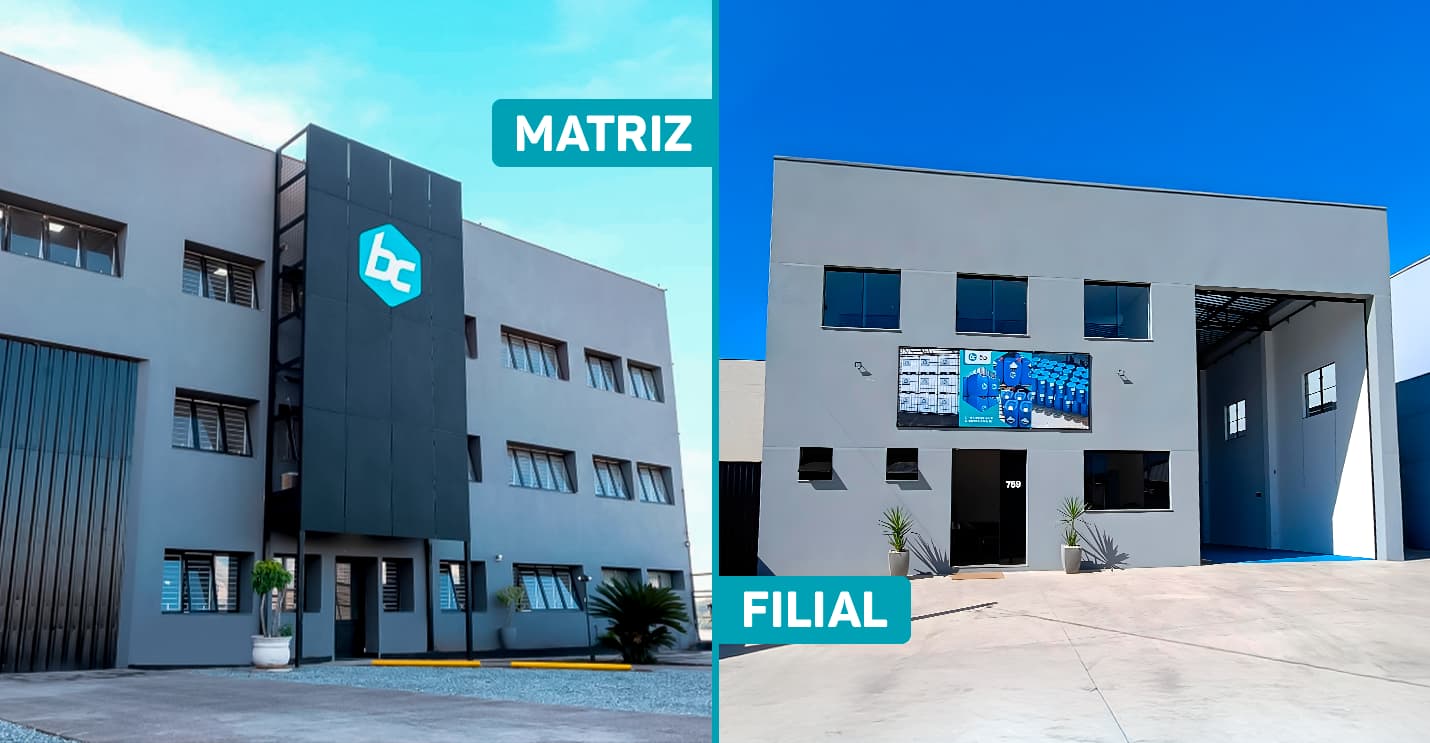
📍 Head office: R. Alagoas, 30 - Santana de Parnaíba - SP 📍 Branch: R. Aratibá, 759 - Limeira - SP
Business hours: Monday to Friday: 8 a.m. to 6 p.m. | Saturday: 8 a.m. to 12 p.m.
Note to the Reader This article brings together technical information drawn from various sources, with the aim of broadening knowledge of the raw materials mentioned. It is for information only and does not represent, on the part of Boreto & Cardoso, any indication of application, formulation or direct recommendation for use. Boreto & Cardoso®, with more than 50 years of experience, operates strictly as a supplier of chemicals for a wide range of applications, and each user is responsible for verifying the suitability and compliance of their own application.