Road transport of sulfuric acid is subject to a set of regulatory requirements that go well beyond simply delivering the product to the agreed address. A qualified driver, specific documentation for the vehicle and the load, and the correct hazard classification of the product are conditions for the transport to take place within the law and, more importantly, with the risk of an accident reduced to the lowest practicable level.
For anyone who buys sulfuric acid regularly, understanding these requirements helps assess whether the supplier is genuinely prepared to move the product safely, or is just hiring third parties with no control over the process.
Hazard classification of sulfuric acid for transport
For the purposes of dangerous goods transport, sulfuric acid is classified in hazard class 8 (corrosives), under the UN hazard classification adopted internationally for the transport of dangerous goods. Product with an acid concentration above 51% is assigned UN number 1830, a standardized identifier that appears on the vehicle labeling, on the hazard placard and throughout the transport documentation for the load.
This classification is not a bureaucratic formality: it determines the mandatory signage on the vehicle, the type of packaging or tank permitted for transport, the segregation distances from other incompatible loads and the expected response procedure in the event of an accident. Every link in the transport chain, from loading at the supplier to unloading at the customer, must recognize the product by its UN number and hazard class before any handling.
In Brazil, road transport of dangerous goods is regulated by the National Land Transportation Agency (Agência Nacional de Transportes Terrestres, ANTT). The agency sets the operational and documentary requirements for this type of load and supplements the international hazard classification with specific rules for Brazilian highways.
MOPP-certified drivers: why it is mandatory
MOPP is the common acronym for the Movimentação Operacional de Produtos Perigosos course (Operational Handling of Dangerous Goods), the mandatory training in Brazil for drivers of vehicles carrying products classified as dangerous, including sulfuric acid. The course covers the specific hazards of each class of dangerous goods, correct loading and unloading procedures, the use of emergency documentation and the expected conduct in the event of a leak, accident or breakdown on the road.
A driver without valid MOPP certification is not qualified to carry a load of sulfuric acid, regardless of their general road transport experience. The training is specific to dangerous goods because the correct response to a corrosive acid leak differs from the procedure for other loads, and a mistake in the first minutes after an incident can significantly increase the environmental damage and the risk to the people involved.
Mandatory documentation during transport
In addition to driver certification, transporting sulfuric acid requires specific documentation that must physically travel with the vehicle for the entire journey. The Emergency Information Sheet (Ficha de Emergência) describes the characteristics of the product, the hazards involved and the recommended procedures in the event of an accident. It serves as an immediate reference for the driver and for the emergency response teams (fire department, civil defense) that may need to act at the scene. The Transport Envelope (Envelope para Transporte) brings together summary safety instructions, first aid guidance and the emergency contact of the party responsible for the load, and is kept within reach in the vehicle cab. On top of these documents, the vehicle must carry the correct load identification, with the UN number and hazard placard visible on the outside, in line with the product's hazard class 8.
The absence of any of these items compromises the correct response in an accident, because emergency teams depend on this information to act safely before they can identify the product by other means.
Why the choice of logistics provider matters
Responsibility for the safe transport of a dangerous product does not end when the truck is loaded. A supplier with logistics specialized in dangerous goods keeps control over driver qualification, the maintenance of the vehicles used to carry corrosive loads and the updating of the documentation required for every trip, rather than handing these responsibilities to carriers with no proven track record in transporting the product's specific hazard class.
For the sulfuric acid buyer, this means less exposure to supply interruptions caused by roadside inspection problems and a lower risk of an incident on the way to the plant. It also ensures that the documentation received with the product is correct and complete. Evaluating the logistics of a dangerous chemicals supplier is, in practice, evaluating part of the buyer's own operational risk.
Is sulfuric acid considered a dangerous good for transport?
Yes. Sulfuric acid is classified in hazard class 8 (corrosives) of the international classification of dangerous goods for transport, and product with an acid concentration above 51% is assigned UN number 1830. This classification determines the vehicle signage, the required documentation and the safety procedures that apply throughout the journey.
What is MOPP and who needs this certification?
MOPP stands for Movimentação Operacional de Produtos Perigosos (Operational Handling of Dangerous Goods), a mandatory course for drivers of vehicles carrying loads classified as dangerous, including sulfuric acid. The certification trains the driver to recognize the hazards of the product being carried, follow the correct loading and unloading procedures and respond properly in the event of an accident or leak during transport.
Which documents must accompany a sulfuric acid shipment?
The shipment must be accompanied by the Emergency Information Sheet, which describes the hazards of the product and the recommended procedures in the event of an accident, and by the Transport Envelope, with summary safety instructions and the emergency contact of the party responsible for the load. The vehicle must also display the load identification on the outside, including the UN number and the hazard placard corresponding to the product's hazard class.
Boreto & Cardoso: logistics specialized in dangerous goods
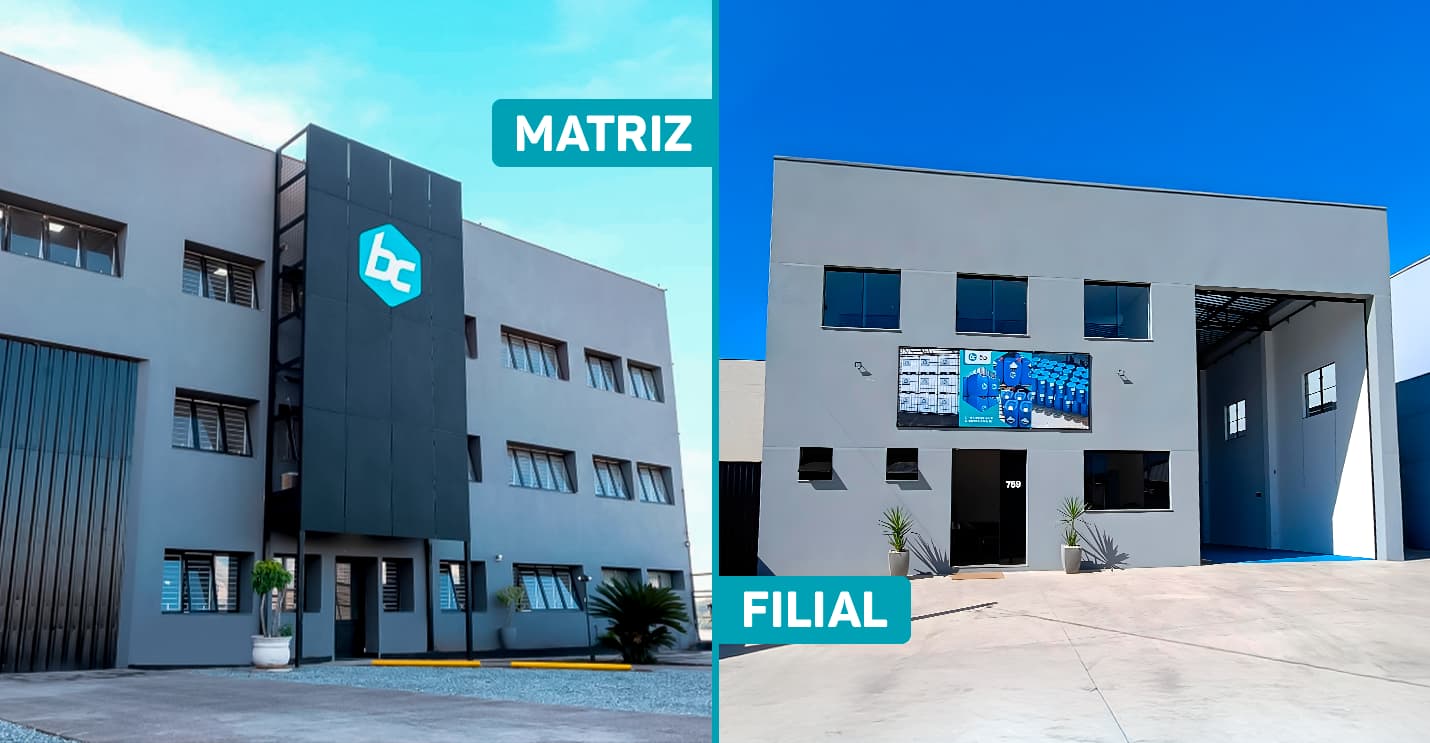
Boreto & Cardoso has supplied industrial chemical inputs since 1972, with headquarters in Santana de Parnaíba and a branch in Limeira, in the state of São Paulo, and ISO 9001:2015 certification from GSC Certificadora, registration BR.087.25. Every sulfuric acid delivery follows the dangerous goods transport requirements that apply to hazard class 8, with complete documentation and batch traceability throughout the process. See the technical data sheet for Sulfuric Acid 98% for the concentration and density of the product supplied.
Request a No-Obligation Quote
Contact us to request:
- A detailed quote for specific products
- Technical information on applications
- Certificates of analysis and documentation
- Special terms for regular purchases
How to reach us:
📞 (11) 3931-1722 | (11) 2366-6260 📱 WhatsApp: (11) 93931-1722 | (11) 98366-6260 📧 boreto@boreto.com.br
Addresses:
📍 Headquarters: R. Alagoas, 30 - Santana de Parnaíba - SP 📍 Branch: R. Aratibá, 759 - Limeira - SP
Business hours: Monday to Friday: 8 a.m. to 6 p.m. | Saturday: 8 a.m. to 12 p.m.
Note to the Reader This article brings together technical information drawn from various sources, with the aim of broadening knowledge about the raw materials mentioned. It is for information only and does not constitute, on the part of Boreto & Cardoso, any indication of application, formulation or direct recommendation of use. Boreto & Cardoso®, with more than 50 years of experience, operates strictly as a supplier of chemical inputs for a wide range of applications, and each user is responsible for verifying the suitability and compliance of their own application.