Diluting concentrated sulfuric acid is one of the most common operations for anyone who works with this input, and also one of the riskiest when it is done in the wrong order. Practically every professional who has handled strong mineral acids knows the rule: always add the acid to the water, slowly and with stirring, never the water to the acid. Simple as it is to state, the rule is often treated as an arbitrary convention, when in fact it follows directly from the physics and chemistry of the dilution reaction.
Why the order of addition matters
Dissolving concentrated sulfuric acid in water is a strongly exothermic reaction: it releases a significant amount of heat as the acid molecules become hydrated and dissociate in solution. This heat of dilution is one of the product's most important characteristics from a safety point of view, and it is directly linked to the acid's density and to the way it behaves in contact with water.
What happens when you add acid to water (correct procedure)
When concentrated acid is added slowly to a larger volume of water, the heat released with each increment of acid is absorbed by the large mass of liquid already in the container. Because water has a high capacity to absorb heat and is present in greater relative volume, the temperature of the mixture rises gradually and controllably. Since the acid is denser than water (a density of about 1.84 g/mL compared with 1.00 g/mL for water), it tends to sink and disperse through the volume, which promotes heat exchange and reduces the formation of localized hot spots of concentration.
What happens when you add water to acid (incorrect and dangerous procedure)
When the order is reversed, that is, when water is added to a volume of concentrated acid, the physical behavior changes significantly. Being less dense, the water tends to stay on the surface of the acid instead of dispersing quickly through the total volume. The heat released by the reaction is then concentrated in this thin contact layer between the freshly added water and the concentrated acid. Because this layer is small relative to the total volume of acid, the local temperature can rise enough to boil the water instantly at the surface.
This sudden boiling generates steam that expands rapidly and can throw droplets of concentrated acid out of the container, as splashes or small localized steam bursts. This is the physical mechanism behind accidents caused by reversing the dilution order: the procedure itself creates the physical conditions for acid to be projected onto whoever is handling the product.
Correct dilution procedure
Safe dilution of sulfuric acid follows a sequence of precautions that goes beyond the order of addition, although that remains the central point.
Personal protective equipment (PPE)
Before any handling of concentrated sulfuric acid, even in small quantities, protective equipment suitable for corrosive products must be worn: chemical safety goggles or a face shield, acid-resistant gloves, an apron or chemical protective clothing and, depending on the environment and ventilation, respiratory protection. The product's safety data sheet (SDS) gives detailed specifications for the recommended PPE and must be consulted before starting any operation.
Suitable container
The container used for dilution must be able to withstand the heat released by the reaction and the corrosive nature of the acid. Materials resistant to acid attack and to temperature changes are recommended; avoid fragile or cracked containers or ones that cannot withstand a temperature rise during the process. The container should be sized so that the water to be used for dilution is already present in sufficient quantity to absorb the heat released, and so that the solution does not come close to the rim while the acid is being added.
Slow addition with stirring
The acid must be added to the water a little at a time, never in a single pour. Constant stirring, by hand with a suitable rod or mechanically, helps disperse the heat evenly through the water, avoiding hot spots and keeping the temperature under visual control and, when available, under thermometer monitoring.
Temperature control
In larger-volume operations, it is advisable to monitor the solution's temperature during dilution. If the temperature rises sharply, stop adding acid until the mixture has cooled enough to resume the process safely. In larger-scale industrial dilution processes, cooling systems fitted to the mixing tank help keep the temperature within safe limits.
Ventilation and access to an emergency shower
The dilution area must be adequately ventilated, and emergency showers and eyewash stations must be accessible and in good working order near the handling point, ready for immediate use in the event of accidental contact with the skin or eyes.
Do's and don'ts
A few practical points sum up the key precautions for diluting sulfuric acid safely.
Do:
- Always add the acid to the water, in small portions and with constant stirring.
- Wear suitable PPE throughout the operation.
- Check that the container is compatible with the product and with the heat generated.
- Make sure an emergency shower and eyewash station are accessible before you start handling.
- Consult the product's SDS before any non-routine operation.
Don't:
- Add water to concentrated acid, under any circumstances.
- Improvise with containers that are not compatible with corrosive products or temperature changes.
- Carry out the dilution without PPE, even for small quantities or quick tests.
- Add the acid quickly or in a large volume all at once, even if the container seems large enough.
- Stop stirring the mixture during addition, even on a small scale.
Why can't you add water to sulfuric acid?
Because water, being less dense than the acid, tends to stay on the surface and does not mix quickly into the concentrated volume. The heat released by the reaction is concentrated in that thin contact layer, which can boil the water instantly and cause violent splashes of acid out of the container. When the acid is added to a larger volume of water, the heat is absorbed more gradually and the process becomes considerably easier to control.
What is the correct ratio for diluting sulfuric acid?
There is no single ratio that works in every situation: the correct ratio depends on the desired final concentration and the intended application, and it should be defined based on the process's technical specification or the product's technical data sheet. What applies to any ratio is the order of addition: the acid always goes slowly into the water, never the other way around, whatever the final dilution you want to reach.
What should you do if sulfuric acid gets on your skin during dilution?
The general procedure in case of contact is to immediately wash the affected area with plenty of water for an extended period and remove contaminated clothing or accessories. Emergency showers and eyewash stations exist precisely for this immediate response. The detailed first aid procedure must always follow the product's safety data sheet (SDS) and, when necessary, medical attention should be sought.
Boreto & Cardoso: sulfuric acid supplied with technical documentation
Boreto & Cardoso has supplied industrial chemical inputs since 1972, including the grades Sulfuric Acid 98% and Sulfuric Acid, Analytical Grade (P.A.). With ISO 9001:2015 certification (GSC Certificadora, registration BR.087.25), the company supplies each batch with the corresponding safety data sheet (SDS) and certificate of analysis, documents that inform the customer about the properties of the product received and the recommended handling and dilution precautions. Defining the operating procedure for dilution at each facility is always the technical responsibility of the customer and its safety and process managers.
Request a No-Obligation Quote
Get in touch to request:
- A detailed quote for specific products
- Technical information on applications
- Certificates of analysis and documentation
- Special terms for regular purchases
Contact channels:
📞 (11) 3931-1722 | (11) 2366-6260 📱 WhatsApp: (11) 93931-1722 | (11) 98366-6260 📧 boreto@boreto.com.br
Addresses:
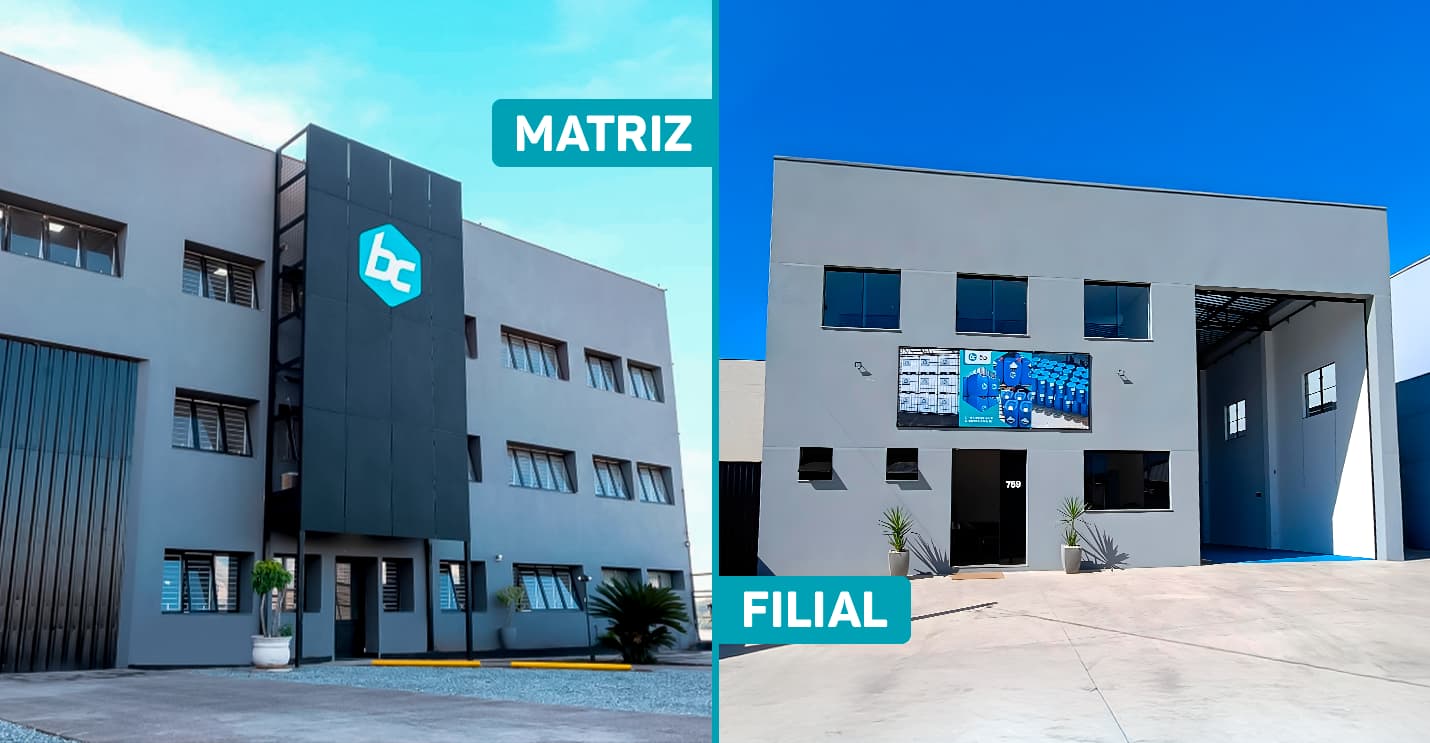
📍 Headquarters: R. Alagoas, 30 - Santana de Parnaíba - SP 📍 Branch: R. Aratibá, 759 - Limeira - SP
Business hours: Monday to Friday: 8 a.m. to 6 p.m. | Saturday: 8 a.m. to 12 p.m.
Note to the Reader This article brings together technical information drawn from different sources, with the aim of broadening knowledge about the raw materials mentioned. It is informational material only and does not represent, on the part of Boreto & Cardoso, any indication of application, formulation or direct recommendation for use. Boreto & Cardoso®, with more than 50 years of experience, acts strictly as a supplier of chemical inputs for a wide range of applications, and it is up to each user to verify the suitability and compliance of their application.