The kraft process is the dominant chemical pulping method worldwide, used in most market and integrated pulp mills. Its name comes from German and means "strength", a reference to the mechanical strength of the fiber it produces, but the process is also called the sulfate process because of the sodium sulfate used in the chemical recovery cycle. This naming leads to a recurring confusion among people new to the industry: linking the terms "sulfate" or "sulfuric" directly to the wood cooking stage.
That link is technically wrong. Kraft cooking uses white liquor, an alkaline solution of sodium hydroxide and sodium sulfide that breaks down lignin and frees the cellulose fibers in a basic medium, not an acidic one. Sulfuric acid plays no part in this stage. Its role lies elsewhere: it is used at specific points along the kraft pulp line, in particular streams and for a defined purpose.
For professionals responsible for utilities, effluent treatment or bleaching at a pulp mill, understanding this distinction pins down the correct point of application for the product, avoids specification errors and makes communication easier between different process areas within the same plant.
Where sulfuric acid is not used: kraft cooking
In the digester, wood chips are cooked in white liquor at high temperature and pressure. The sodium hydroxide and sodium sulfide in the liquor break the bonds in lignin, the polymer that holds the cellulose fibers together in the wood structure, allowing the fibers to separate and form brown stock (unbleached pulp). This cooking takes place in a strongly alkaline medium, and it is precisely this alkalinity that makes the process effective at selectively removing lignin without excessively degrading the cellulose.
Sulfuric acid has no function at this stage. A common technical specification error, even in generic material about the industry, is to describe the kraft process as one that "uses sulfuric acid to cook the wood". That description is wrong and can lead to poor decisions on purchasing or on sizing a dosing system at a plant being designed or revamped.
Where sulfuric acid is actually used in the process
Sulfuric acid appears in the kraft process at stages downstream of and auxiliary to pulping, with one specific function: adjusting and correcting the pH of process streams. It does not break down lignin or form the pulp.
pH adjustment in process streams
Several streams in a pulp mill arrive alkaline, either because of residual liquor carryover or because of reactions that raise the pH along the way. Before a stream moves on to a stage that requires a neutral or slightly acidic pH, or before a discharge that must meet a set pH limit, there is often a correction point with a mineral acid. Sulfuric Acid 98% is one of the products used for this correction because it is a strong, diprotic mineral acid: each molecule releases two H+ ions, which reduces the volume of product needed per unit of pH drop compared with less concentrated acids.
pH adjustment in bleaching stages
Kraft pulp bleaching, which removes residual lignin and the color left after cooking, is organized in sequential stages that alternate between acidic and alkaline conditions, depending on the reagent used in each one. Stages that use chlorine dioxide, for example, run in an acidic pH range so that the reagent performs as expected in residual delignification. pH adjustment in these stages brings the pulp stream into the required acidic range before the bleaching reagent is added; this is one of the points where sulfuric acid is applied.
In this context, sulfuric acid serves to control and adjust the pH of the stream: it sets up the conditions for the stage's main reagent to work. It is not the bleaching agent itself.
Handling precautions in a pulp mill environment
Industrial grade Sulfuric Acid 98% is a viscous, dense, oily liquid, colorless to slightly yellowish, with a density of about 1.84 g/mL. It is highly hygroscopic, so it needs well-sealed tanks to prevent it from absorbing moisture from the air and releasing the heat associated with that absorption.
Dissolving concentrated sulfuric acid in water is strongly exothermic, and this is the basis of the universal safety rule for the product: always add the acid slowly to the water, never water to the acid. In a pulp mill, where pH correction points often involve dilution in a make-up tank before dosing into the process stream, this rule must be built into the standard operating procedure of every team that handles the product.
Tanks, piping and pumps in contact with concentrated sulfuric acid must be specified in materials resistant to acid corrosion, with a containment basin sized for the stored volume. Personal protective equipment (gloves, chemical splash goggles, apron and respiratory protection where applicable) is mandatory at every handling or dosing stage.
Does the kraft process use sulfuric acid to cook the wood?
No. Cooking in the kraft process uses white liquor, an alkaline solution of sodium hydroxide and sodium sulfide, to break down lignin and free the cellulose fibers. Sulfuric acid plays no part in this stage. It is used at later points in the process, such as pH adjustment of specific streams and bleaching stages.
Why is the kraft process also called the sulfate process if it does not use sulfuric acid in cooking?
The name "sulfate process" comes from the use of sodium sulfate in the mill's chemical recovery cycle, not from the use of sulfuric acid in pulping. Sodium sulfate is added to the recovery cycle to make up for sulfur and sodium losses in the system. It is later converted into sodium sulfide in the recovery boiler, in a stage that is separate and chemically different from cooking itself.
At which points in the kraft process is sulfuric acid actually used?
Sulfuric acid is used at stages auxiliary to and downstream of pulping, mainly to adjust and correct the pH of process streams and in bleaching stages that need acidic conditions for the main reagent to work, such as chlorine dioxide stages. In none of these cases does sulfuric acid replace white liquor or act as the primary delignification agent.
Boreto & Cardoso: sulfuric acid supply for the pulp and paper industry
Boreto & Cardoso has been in business since 1972, with more than 53 years supplying industrial chemical inputs, including sulfuric acid for applications in the pulp and paper industry. The company operates with ISO 9001:2015 certification (GSC Certificadora, registration BR.087.25). Every supply comes with lot traceability and available technical documentation (Certificate of Analysis and Safety Data Sheet), giving the customer's technical team a basis for validating the product received against the process specifications.
Request a No-Obligation Quote
Get in touch to request:
- A detailed quote for specific products
- Technical information about applications
- Certificates of analysis and documentation
- Special terms for regular purchases
Contact channels:
📞 (11) 3931-1722 | (11) 2366-6260 📱 WhatsApp: (11) 93931-1722 | (11) 98366-6260 📧 boreto@boreto.com.br
Addresses:
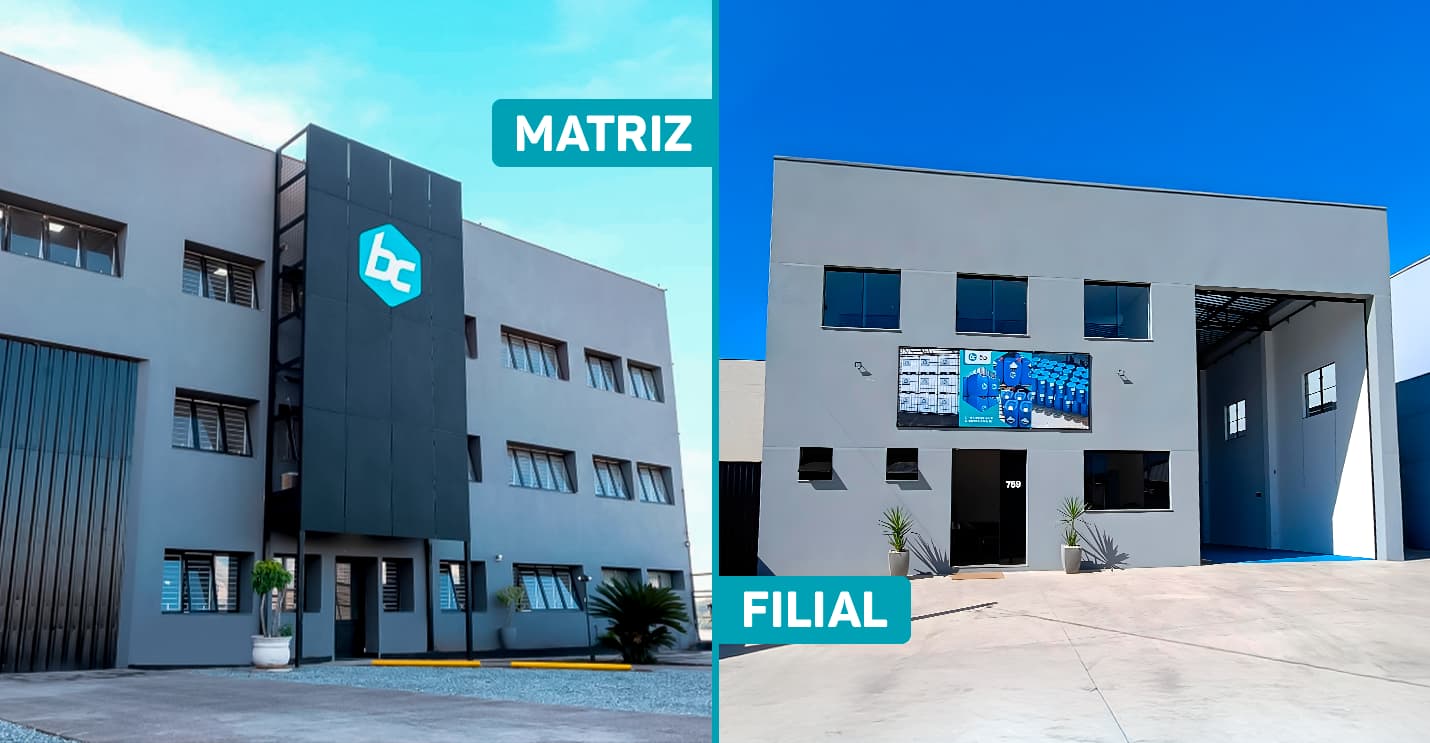
📍 Headquarters: R. Alagoas, 30 - Santana de Parnaíba - SP 📍 Branch: R. Aratibá, 759 - Limeira - SP
Business hours: Monday to Friday: 8 a.m. to 6 p.m. | Saturday: 8 a.m. to 12 p.m.
Note to the Reader This article brings together technical information drawn from different sources, with the aim of broadening knowledge about the raw materials mentioned. It is informational material only and does not represent any recommendation by Boreto & Cardoso regarding application, formulation or direct use. Boreto & Cardoso®, with more than 50 years of experience, works strictly as a supplier of chemical inputs for a wide range of applications, and each user is responsible for verifying the suitability and compliance of their own application.