Freshly formed paper with no further treatment absorbs liquids easily: ink spreads, water soaks into the sheet and the surface does not take writing or printing well. Sizing is the stage of the production process that corrects this, making the sheet less absorbent and better suited to printing, writing or packaging. There are two main approaches to this stage, acid sizing and alkaline sizing, and the inputs involved in each are often confused, especially aluminum sulfate and sulfuric acid.
The confusion is understandable: both products can coexist on the same paper machine running under acid conditions, but they perform different functions. Aluminum sulfate is the central agent of traditional acid sizing. Sulfuric acid, when present, adjusts the pH of the system; it is not a sizing agent. Treating the two as equivalent or interchangeable is a mistake that can lead to wrong decisions on purchasing, dosing or diagnosing process problems.
What acid sizing of paper is
Acid sizing is the traditional process of making the paper sheet less absorbent by combining aluminum sulfate (called "alum" in mill jargon, even though the technically correct term is aluminum sulfate) with a resin, usually rosin. The resin, dispersed in the fiber stock during papermaking, is the component that actually gives the sheet its resistance to water and ink. Aluminum sulfate works by fixing this resin to the cellulose fibers through reactions that take place under acidic pH conditions.
This system typically runs in a pH range of 4 to 5. It is this acidic condition that gives the process its name and sets acid sizing apart from alkaline sizing, which the paper industry has increasingly adopted following changes in the filler material used in the sheet.
The role of aluminum sulfate
Aluminum sulfate is the chemical lead in acid sizing. It reacts with the rosin dispersed in the pulp, and this reaction precipitates and fixes the rosin onto the surface of the cellulose fibers. Without this fixation, the rosin is distributed unevenly through the sheet and the water-repellent effect becomes inconsistent.
The performance of aluminum sulfate in this function depends directly on the system pH being within the correct acidic range. Outside that range, the rosin fixation reaction loses efficiency, and the resulting sizing is uneven, with some areas of the sheet more absorbent than others.
The role of sulfuric acid in the acid sizing system
This is where sulfuric acid comes in, and it is important to be precise about what it does and does not do. Sulfuric acid does not replace aluminum sulfate, nor does it take part in the reaction that fixes the rosin to the fibers. Its function is auxiliary: adjusting the pH of the sizing system to keep it within the acidic range required (typically 4 to 5) for aluminum sulfate and rosin to work as efficiently as expected.
On a paper machine running acid sizing, pH can vary for several reasons: changes in process water, carryover of streams from other stages, variation in stock composition. When the pH drifts outside the ideal range, Sulfuric Acid 98% can be used as a correcting agent. It brings the system back to the acidic condition needed for sizing to work as expected.
This distinction of roles, with aluminum sulfate as the sizing agent and sulfuric acid as the pH adjuster, prevents purchasing and process diagnosis errors. Treating sulfuric acid as if it were the sizing agent, or overestimating its contribution to the sheet's water repellency, is a common inaccuracy that does not reflect what actually happens in the process.
Acid sizing versus alkaline sizing
Modern alkaline sizing replaces rosin activated in an acidic medium with other synthetic sizing agents and, above all, changes the sheet's filler material, using calcium carbonate instead of fillers compatible with acidic pH. Calcium carbonate dissolves under acidic conditions, which makes it incompatible with the traditional acid sizing system and viable only in systems running at neutral to slightly alkaline pH.
This change brought advantages recognized by the industry, such as greater paper durability and the possibility of using lower-cost mineral fillers, but it requires a complete reformulation of the machine's chemical system, not just a one-off swap of a single input. Mills that still run acid sizing keep aluminum sulfate and, when needed, sulfuric acid for pH adjustment, as part of a coherent system that cannot be freely mixed with inputs designed for alkaline operation.
What is the difference between aluminum sulfate and sulfuric acid in paper sizing?
Aluminum sulfate is the agent that fixes rosin to the cellulose fibers and is the central component of acid sizing. Sulfuric acid, when used in the same system, adjusts and corrects pH: it keeps the medium within the acidic range needed for aluminum sulfate and rosin to work efficiently. The two products are neither equivalent nor interchangeable in the process.
Why does acid sizing of paper run at a pH of 4 to 5?
This pH range is the condition in which aluminum sulfate reacts efficiently with rosin and fixes it to the cellulose fibers. Outside this range, the reaction loses efficiency, the resulting sizing tends to be uneven and the sheet's resistance to liquids is compromised.
Can calcium carbonate be used as a filler in an acid sizing system?
It is not recommended. Calcium carbonate dissolves at acidic pH, which makes it incompatible with the typical acid sizing environment (pH 4 to 5). It is the characteristic filler of alkaline sizing systems, which run at neutral to slightly alkaline pH, and introducing it into an acid system tends to cause unwanted reactions instead of acting as a stable filler in the sheet.
Boreto & Cardoso: sulfuric acid supply for the pulp and paper sector
Boreto & Cardoso has been in the market since 1972, with more than 53 years supplying industrial chemical inputs, including sulfuric acid for applications in the pulp and paper sector. The company holds ISO 9001:2015 certification (GSC Certificadora, registration BR.087.25). Every delivery comes with lot traceability and available technical documentation (certificate of analysis and safety data sheet), which gives the customer's technical team a basis for validating the product received against the process specifications.
Request a No-Obligation Quote
Contact us to request:
- A detailed quote for specific products
- Technical information on applications
- Certificates of analysis and documentation
- Special terms for regular purchases
Contact channels:
📞 (11) 3931-1722 | (11) 2366-6260 📱 WhatsApp: (11) 93931-1722 | (11) 98366-6260 📧 boreto@boreto.com.br
Addresses:
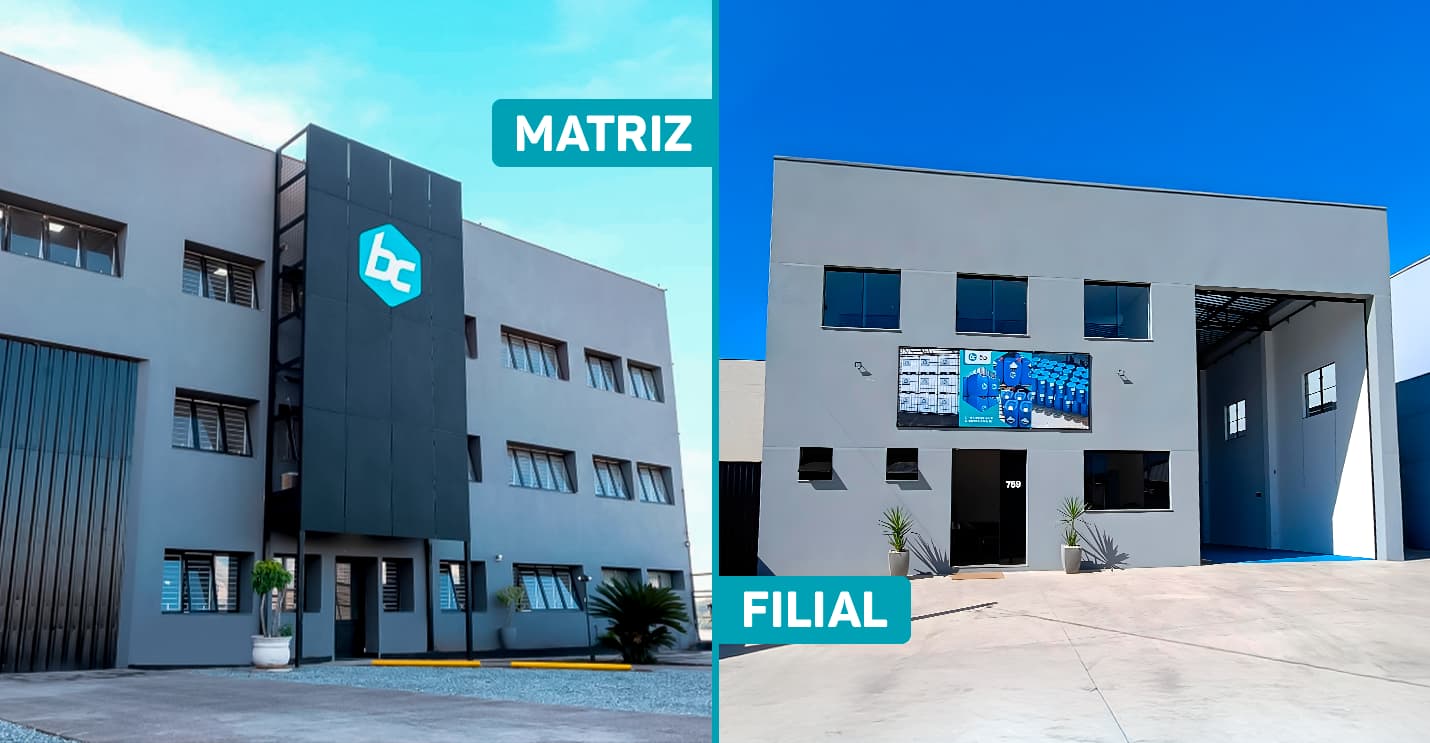
📍 Headquarters: R. Alagoas, 30 - Santana de Parnaíba - SP 📍 Branch: R. Aratibá, 759 - Limeira - SP
Business hours: Monday to Friday: 8:00 a.m. to 6:00 p.m. | Saturday: 8:00 a.m. to 12:00 p.m.
Note to the Reader This article brings together technical information drawn from different sources, with the aim of broadening knowledge about the raw materials mentioned. It is for information purposes only and does not constitute any indication of application, formulation or direct recommendation for use on the part of Boreto & Cardoso. Boreto & Cardoso®, with more than 50 years of experience, operates strictly as a supplier of chemical inputs for a wide range of applications, and each user is responsible for verifying the suitability and compliance of their own application.