Inorganic pigments and mineral fillers define key attributes of a paint: opacity, hiding power, color and formulation cost. Before they reach the state in which they are incorporated into a paint, these materials go through industrial stages of processing, purification and adjustment of their physical and chemical properties, including pH control. Sulfuric acid has a documented role in some of these processes, most notably in the production of titanium dioxide by the sulfate process.
For anyone who buys or specifies sulfuric acid within the production chain of pigments and fillers for paints, understanding where and why this acid is used, and why its purity directly affects the color and opacity of the final pigment, prevents decisions based on price alone that ignore the technical impact of input quality.
The sulfate process for producing titanium dioxide from ilmenite is the best-documented example of this application, and contaminants in the acid used in it can directly affect the final pigment.
Inorganic pigments and mineral fillers in paint formulation
Inorganic pigments are mineral compounds that give paints their color and opacity. Titanium dioxide is the most widely used white pigment in industry because of its high light-scattering capacity, which translates into high hiding power. Iron oxides provide shades ranging from yellow to red and black; they are used in both decorative and industrial paints. Mineral fillers such as calcium carbonate, on the other hand, have no primary coloring function: they complement the formulation and adjust solids volume and application texture. The cost of the final product also depends on them.
All of these materials, whether colored pigments, white pigment or fillers, must meet strict specifications for purity, particle size and dispersion behavior before they are incorporated into a paint. This means they go through industrial stages of extraction, purification and processing in which chemical reagents, including acids, perform specific process functions.
The sulfate process for producing titanium dioxide
One of the best-documented examples of sulfuric acid use in processing inorganic pigments is the sulfate process for manufacturing titanium dioxide from ilmenite, a mineral that contains titanium and iron. In this industrial process, ground ilmenite is treated with concentrated sulfuric acid, which dissolves the ore and converts the metal oxides present into soluble sulfates, including titanyl sulfate and ferrous sulfate.
From this solution, subsequent hydrolysis, calcination and purification stages separate the titanium from the iron and other impurities, and the result is titanium dioxide in pigment form. The ferrous sulfate generated as a by-product of the process even has its own applications in other industrial chains, such as water treatment. Together with the chloride process (which uses chlorine instead of sulfuric acid), the sulfate process is one of the two established industrial routes for producing titanium dioxide at scale.
In this context, sulfuric acid does more than make a one-off pH adjustment: it is the agent that dissolves the ore, a decisive step that makes it possible to separate the titanium from the other elements present in ilmenite.
pH adjustment in processing and dispersion of mineral fillers
Beyond dissolving ore in processes such as the sulfate route for titanium dioxide, acids, including sulfuric acid, can also be used in pH adjustment steps during the processing and preparation of mineral fillers, as part of purification, washing or particle surface conditioning before the fillers are incorporated into formulations. Not every mineral filler process uses sulfuric acid: pH adjustment at these stages depends on the specific mineral, the process route adopted by the processor and the dispersion behavior being targeted. Boreto & Cardoso supplies the acid; defining the process route and the conditions of use is the technical responsibility of whoever runs the processing operation.
In general, pH control in aqueous media, a step common to many mineral purification processes, often relies on a strong mineral acid with predictable behavior such as sulfuric acid: the same characteristics that make it suitable for other industrial acidification applications.
Acid purity and its impact on the color and opacity of the final pigment
In any process in which sulfuric acid comes into direct contact with the material that will become the pigment, its purity stops being a secondary detail and becomes a quality variable of the final product. Metallic impurities in the acid, such as traces of iron, can become incorporated into the pigment structure during processing and alter its shade. In the case of titanium dioxide, whose commercial value depends directly on its whiteness and light-scattering power, even small amounts of contamination can compromise the opacity and color neutrality the market expects.
That is why the Sulfuric Acid 98% used in this type of process needs a consistent technical specification from lot to lot. It is a viscous, dense, oily liquid, colorless to slightly yellowish, with a density of about 1.84 g/mL; it is one of the raw materials historically associated with pigment and paint manufacturing in the chemical industry. It is also highly hygroscopic. Storage requires care, because moisture absorption can change the actual concentration of the acid delivered to the process and affect the stoichiometry of the ore dissolution reaction or of the intended pH adjustment.
What is the sulfate process for producing titanium dioxide?
It is one of the two established industrial routes for manufacturing titanium dioxide, in which ilmenite (an ore containing titanium and iron) is dissolved in concentrated sulfuric acid. The resulting solution goes through hydrolysis and calcination stages that separate the titanium from the other elements and produce the titanium dioxide pigment used in paints and other applications.
Why does the purity of sulfuric acid affect the color of the pigment produced?
Because impurities in the acid, especially metallic traces such as iron, can become incorporated into the material during processing and alter its final shade. In pigments such as titanium dioxide, whose very purpose is to give a paint maximum whiteness and opacity, any contamination of the acid used in the process can compromise those properties.
Is sulfuric acid used in every mineral filler process for paints?
Not necessarily. The use of sulfuric acid in mineral filler processing depends on the specific mineral and the process route adopted by the processor. The best-documented and most established case is the sulfate process for producing titanium dioxide from ilmenite, in which the acid plays a central role in dissolving the ore. For other mineral fillers, whether or not to use sulfuric acid in pH adjustment steps is a technical process decision made by the manufacturer.
Boreto & Cardoso: sulfuric acid supply for the pigment and paint industry
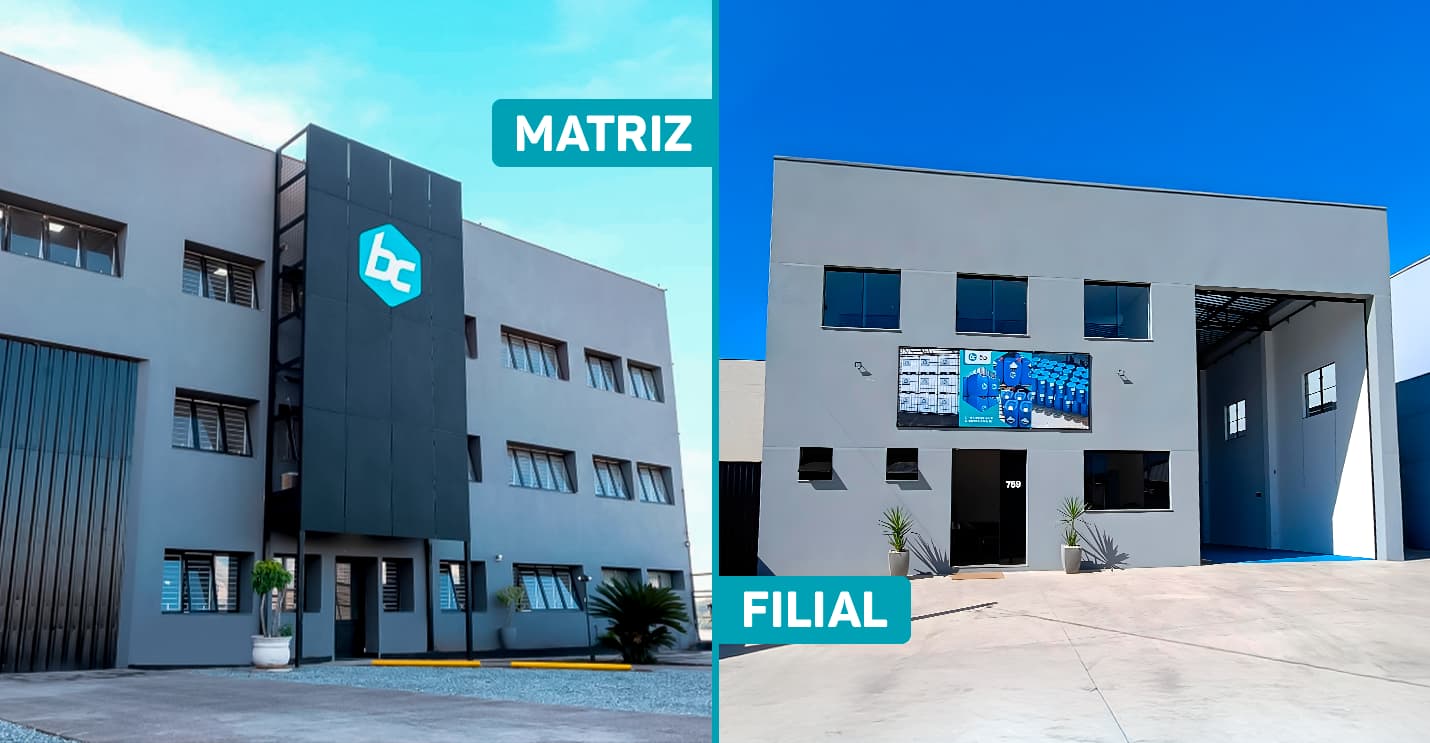
Boreto & Cardoso has been distributing industrial chemical inputs for more than 53 years, with headquarters in Santana de Parnaíba (SP) and a branch in Limeira (SP). The company is ISO 9001:2015 certified by GSC Certificadora, under registration BR.087.25, which backs its quality management processes.
For operations that depend on sulfuric acid in processing inorganic pigments and mineral fillers, concentration consistency between lots and the technical documentation accompanying each shipment are directly linked to the color and opacity quality of the final product. Boreto & Cardoso provides certificates of analysis and lot traceability for Sulfuric Acid 98%; these documents support quality control for anyone running this type of industrial process.
Request a No-Obligation Quote
Contact us to request:
- A detailed quote for specific products
- Technical information on applications
- Certificates of analysis and documentation
- Special terms for regular purchases
Contact channels:
📞 (11) 3931-1722 | (11) 2366-6260 📱 WhatsApp: (11) 93931-1722 | (11) 98366-6260 📧 boreto@boreto.com.br
Addresses:
📍 Headquarters: R. Alagoas, 30 - Santana de Parnaíba - SP 📍 Branch: R. Aratibá, 759 - Limeira - SP
Business hours: Monday to Friday: 8:00 a.m. to 6:00 p.m. | Saturday: 8:00 a.m. to 12:00 p.m.
Note to the Reader This article brings together technical information drawn from different sources, with the aim of broadening knowledge about the raw materials mentioned. It is for information purposes only and does not constitute any indication of application, formulation or direct recommendation for use on the part of Boreto & Cardoso. Boreto & Cardoso®, with more than 50 years of experience, operates strictly as a supplier of chemical inputs for a wide range of applications, and each user is responsible for verifying the suitability and compliance of their own application.