Alkyd resins are among the most widely used binders in the paints and coatings industry, especially in solvent-based formulations for decorative and industrial use. Their production relies on a chemical reaction that is well established in the polymer literature: polyesterification. For anyone who runs or oversees this process, a recurring technical question is how to speed up the reaction without compromising the quality of the final polymer. That is exactly where acid catalysts come in.
Sulfuric acid (H2SO4) is one of the acid catalysts historically documented for esterification reactions, including the synthesis of alkyd resins. Understanding the chemical role it plays in this reaction, and why the purity of the acid used as a catalyst has a direct effect on the final resin, matters both to those who specify the input and to those who evaluate chemical raw material suppliers.
The discussion below stays at the conceptual level of industrial organic chemistry, without going into specific ratios or formulation recipes: Boreto & Cardoso is a distributor of the chemical input, not a paint formulator.
What alkyd resins are and how they come from polyesterification
Alkyd resins are polyesters obtained by reacting three types of raw material: a polyol (an alcohol with multiple hydroxyl groups, such as glycerin or pentaerythritol), a polybasic acid or anhydride (such as phthalic anhydride) and a fatty acid derived from vegetable oil. Reacting these three components through polyesterification forms a polymer chain that combines the mechanical and chemical resistance typical of polyesters with the flexibility and film-forming ability contributed by the fatty chain of the vegetable oil.
The reaction is a condensation: each time an ester bond forms between the acid group of the anhydride and the hydroxyl group of the polyol, a molecule of water is released as a by-product. This condensation mechanism is what defines polyesterification, and it determines how the reaction can be accelerated or controlled at industrial scale.
The end product, the alkyd resin, is widely used as a binder in paints and coatings because it forms a film through oxidative drying (in the case of drying-oil alkyds) or through solvent evaporation. The resulting film adheres well to the painted substrate and provides gloss and resistance. The ratio of polyol, polybasic acid and fatty acid, and the specific type of vegetable oil used, are formulation decisions made by the paint manufacturer, not by the supplier of the acid catalyst.
The role of sulfuric acid as an esterification catalyst
Esterification reactions, including the polyesterification that produces alkyd resins, tend to be slow when driven only by heat, without a catalyst. In the polymer chemistry literature, strong acids are known to accelerate this reaction because they protonate the carbonyl group of the acid or anhydride involved; this makes the carbonyl carbon more susceptible to nucleophilic attack by the hydroxyl of the polyol. This acid catalysis mechanism lowers the activation energy of the rate-determining step of esterification and, in practice, shortens the reaction time needed to reach the desired degree of polymerization.
Sulfuric acid is a classic, well-documented example of a strong acid catalyst used to speed up esterifications, alongside another catalyst widely cited in the literature, para-toluenesulfonic acid. As a strong, diprotic mineral acid, H2SO4 dissociates completely in the reaction medium and supplies protons efficiently to catalyze ester bond formation.
Because esterification is an equilibrium reaction, the acid catalyst does not shift the chemical equilibrium on its own: it speeds up both the forward reaction and the reverse reaction (hydrolysis). Shifting the equilibrium toward the products, favoring resin formation, also depends on continuously removing the water generated during the reaction, usually by distillation carried out while the reaction medium is heated. The catalyst shortens the time needed for the process to reach the desired conversion, but it does not replace the temperature control and water removal the process requires.
Why the purity of the acid catalyst matters for the final resin
In any process where a strong acid acts as a catalyst, the composition of the acid itself affects the result. Impurities in the sulfuric acid used as a catalyst can remain in the reaction medium and, depending on their nature, affect the color, clarity or stability of the alkyd resin formed. This is especially sensitive in resins intended for clear or high-gloss paints and varnishes, where any change in the color of the binder shows up in the final product.
That is why the Sulfuric Acid 98% supplied in technical grade for this type of application needs a purity specification that is consistent from batch to batch. It is a viscous, dense, oily liquid, colorless to slightly yellowish, with a density close to 1.84 g/mL. Variations in concentration, or impurities outside the expected range, can change catalytic efficiency and, as a result, the reaction time needed to reach the target acid value of the resin.
Sulfuric acid is also highly hygroscopic: it readily absorbs moisture from the air. This matters because esterification depends on controlling the water in the reaction medium, both the water generated by the reaction itself and any residual water carried in by the reactants. Improper storage and handling of the acid catalyst can introduce unwanted moisture before the process even starts and alter the reaction kinetics. For this reason, batch traceability and the supplier's technical documentation are as relevant as the nominal concentration stated on the product sheet.
Does sulfuric acid become part of the final alkyd resin?
Not as a structural component of the polymer. Its role is catalytic: it speeds up the esterification reaction between polyol, polybasic acid and fatty acid, but it is not incorporated into the polyester chain that forms. Small amounts of catalyst residue may remain in the reaction medium; that is why process control and proper neutralization at the end of the synthesis are necessary steps, a decision that rests with the resin manufacturer.
Why use an acid catalyst instead of letting esterification proceed by heat alone?
Because uncatalyzed esterification is slow, even at high temperatures. Strong acid catalysts, such as sulfuric acid and para-toluenesulfonic acid, lower the activation energy of the ester bond formation step. This makes the process faster and more viable at industrial scale, within batch times that fit plant operations.
Is it safe to dilute concentrated sulfuric acid in water while preparing the process?
Dissolving sulfuric acid in water is a strongly exothermic reaction. The universal safety rule is to always add the acid to the water slowly, never the reverse: adding water to a volume of concentrated acid can cause sudden heating and spattering, with serious risk to operators and equipment. This rule applies in any context where the product is handled, including before it is used as a catalyst in industrial processes.
Boreto & Cardoso: sulfuric acid supply for the paint and resin industry
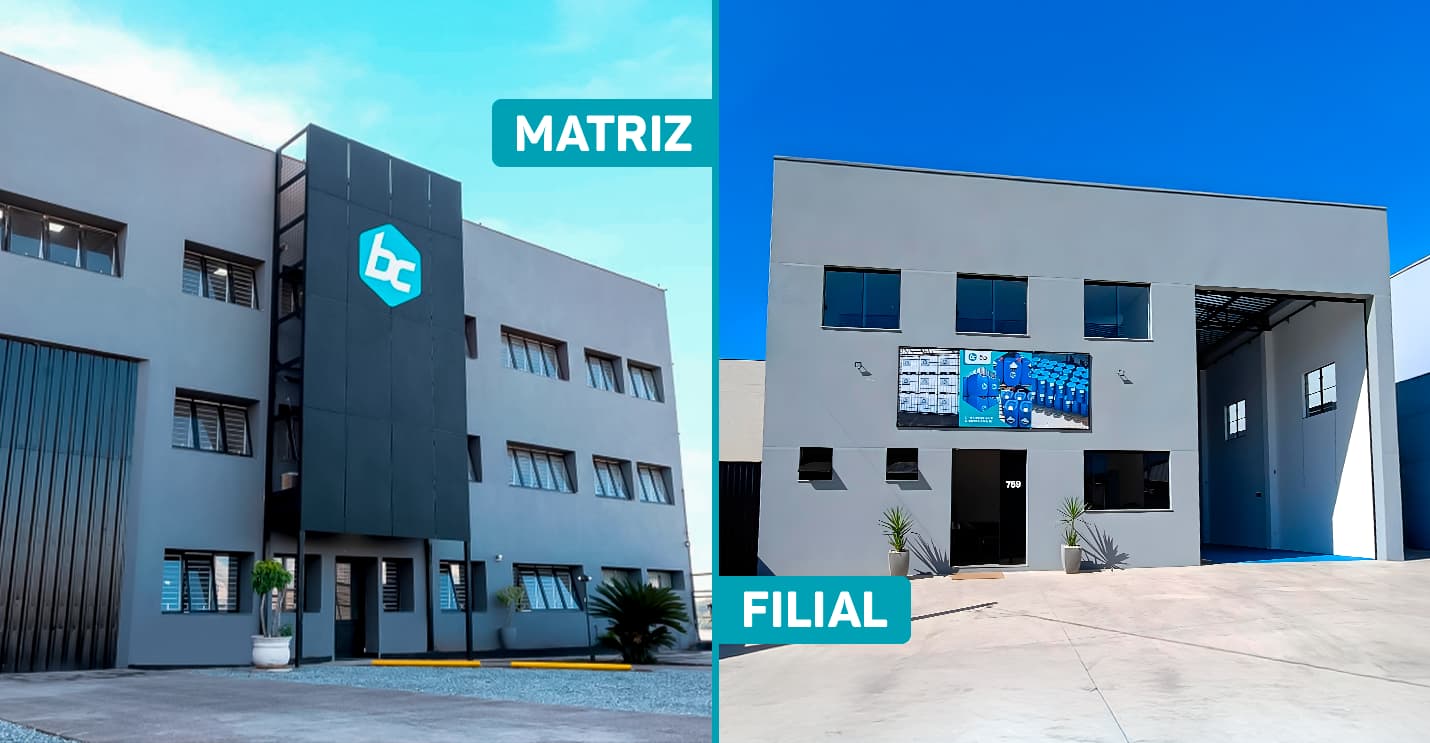
Boreto & Cardoso has been distributing industrial chemical inputs for more than 53 years, with headquarters in Santana de Parnaíba (SP) and a branch in Limeira (SP). The company holds ISO 9001:2015 certification from GSC Certificadora, under registration BR.087.25, which backs its quality management processes.
For alkyd resin manufacturers that rely on sulfuric acid as an esterification catalyst, consistent concentration from batch to batch and the technical documentation that comes with each shipment have a direct impact on the repeatability of the production process. Boreto & Cardoso provides certificates of analysis and batch traceability for Sulfuric Acid 98%; these documents support quality control for anyone running this type of industrial synthesis.
Request a No-Obligation Quote
Contact us to request:
- A detailed quote for specific products
- Technical information on applications
- Certificates of analysis and documentation
- Special terms for regular purchases
How to reach us:
📞 (11) 3931-1722 | (11) 2366-6260 📱 WhatsApp: (11) 93931-1722 | (11) 98366-6260 📧 boreto@boreto.com.br
Addresses:
📍 Headquarters: R. Alagoas, 30 - Santana de Parnaíba - SP 📍 Branch: R. Aratibá, 759 - Limeira - SP
Business hours: Monday to Friday: 8 a.m. to 6 p.m. | Saturday: 8 a.m. to 12 p.m.
Note to the Reader This article brings together technical information drawn from various sources, with the aim of broadening knowledge about the raw materials mentioned. It is for information only and does not constitute, on the part of Boreto & Cardoso, any indication of application, formulation or direct recommendation of use. Boreto & Cardoso®, with more than 50 years of experience, operates strictly as a supplier of chemical inputs for a wide range of applications, and each user is responsible for verifying the suitability and compliance of their own application.