Phosphorus is one of the three primary macronutrients plants need, along with nitrogen and potassium. The main natural source of this element is phosphate rock, a mineral mined from deposits and composed mostly of apatite, a form of calcium phosphate. The problem is that, in its raw state, this rock releases practically no phosphorus into the soil in the quantity and at the speed that crops need.
Industry solves this limitation with a well-established process in fertilizer chemistry: treating phosphate rock with sulfuric acid, which converts the poorly soluble calcium phosphate into single superphosphate, a soluble and agronomically available compound. For anyone who buys, specifies or monitors this input in the fertilizer production chain, the quality of the sulfuric acid used matters as much as the quality of the rock itself.
Why raw phosphate rock does not meet crop needs
Apatite, the main phosphate mineral found in commercially mined deposits, has a stable crystal structure and extremely low solubility in water. This means the phosphorus it contains remains chemically "locked" in the rock: even when it is ground and applied directly to the soil, most of the phosphorus does not dissolve fast enough to be taken up by crop roots within a normal growing cycle.
From an agronomic standpoint, what matters is phosphorus availability, that is, the fraction that actually dissolves in the soil and becomes accessible to plants, rather than the total content in the material. Raw phosphate rock has low availability precisely because its mineral structure resists dissolution under normal soil and moisture conditions.
To turn this structurally unavailable phosphorus into a soluble form, the crystal structure of apatite has to be broken down chemically. That is exactly the role sulfuric acid plays in the acidulation of phosphate rock.
The reaction between sulfuric acid and phosphate rock: from apatite to single superphosphate
Sulfuric acid (H2SO4) is a strong, diprotic mineral acid, meaning it can donate two hydrogen ions per molecule in acid-base reactions. This makes it efficient at attacking the structure of the calcium phosphate in phosphate rock.
When ground phosphate rock is treated with sulfuric acid in a controlled industrial process, an acidulation reaction takes place in which the acid reacts with the calcium phosphate in the apatite. The result is a mixture of two compounds: monocalcium phosphate, which is water-soluble and is the form of phosphorus available to plants, and calcium sulfate, a by-product of the reaction also known as agricultural gypsum. This solid mixture is what is sold commercially as single superphosphate.
The word "single" distinguishes this fertilizer from triple superphosphate, which uses phosphoric acid instead of sulfuric acid as the acidulating agent and has a higher phosphorus concentration because it does not carry calcium sulfate into the final product. Precisely because it retains calcium sulfate, single superphosphate supplies, in addition to phosphorus, a significant amount of sulfur, a secondary macronutrient essential for the synthesis of amino acids and proteins in plants. This dual role (a source of both P and S in a single product) is one of the reasons single superphosphate is still used even though more concentrated phosphate fertilizers are available.
Dissolving sulfuric acid in water, a common step in dilutions and process adjustments, is strongly exothermic. That is why the safety rule is always to add the acid to the water slowly, never the reverse: adding water to a volume of concentrated acid can cause a sudden release of heat and splashing of liquid. This rule applies both in the laboratory and in larger-scale industrial operations.
Concentration, purity and consistency of sulfuric acid in the production process
The sulfuric acid used in phosphate rock acidulation is normally specified as technical grade, such as Sulfuric Acid 98%, a viscous, dense, oily liquid, colorless to slightly yellowish, with a density close to 1.84 g/mL. This high concentration directly determines the stoichiometry of the reaction with calcium phosphate and, as a result, the ratio of soluble monocalcium phosphate to calcium sulfate in the final product.
Variations in the concentration of the acid received by the plant force constant dosage adjustments to keep the reaction within the desired range. This has a direct impact on operating cost and on the consistency of the single superphosphate produced in each batch.
Sulfuric acid is also highly hygroscopic: it readily absorbs moisture from the surroundings. Improper storage and handling can change its actual concentration before it even reaches the acidulation reactor. That is why traceability and technical documentation, from the moment it leaves the supplier until it is received at the plant, are indispensable.
Impurities in sulfuric acid, depending on their nature and concentration, can also interfere with the reaction with phosphate rock or compromise the quality of the resulting single superphosphate. For this reason, industrial-scale acidulation processes depend on supply with a clear technical specification and on lot-to-lot consistency throughout the relationship with the supplier.
What is single superphosphate and what is it used for?
Single superphosphate is a phosphate fertilizer obtained by treating phosphate rock (calcium phosphate) with sulfuric acid. It consists of a mixture of monocalcium phosphate, which is soluble and available to plants, and calcium sulfate. It serves as a source of phosphorus, a nutrient essential for root development, flowering and fruiting, and also supplies sulfur, a secondary nutrient important for the synthesis of plant proteins.
Why does phosphate rock need to be treated with sulfuric acid before it becomes fertilizer?
Because raw phosphate rock, made up mostly of apatite, has a crystal structure with extremely low water solubility. The phosphorus it contains remains unavailable for uptake by plant roots within the time frame of a growing cycle. Treatment with sulfuric acid breaks down this structure and converts part of the calcium phosphate into soluble monocalcium phosphate: this is the form in which phosphorus becomes agronomically available.
Is it safe to mix sulfuric acid with water during the production process?
Dissolving sulfuric acid in water is a strongly exothermic reaction, meaning it gives off heat intensely. The universal safety rule when handling sulfuric acid is always to add the acid to the water slowly, and never to add water to the acid. Doing the reverse can cause sudden heating and splashing of liquid: a serious risk to operators and equipment.
Boreto & Cardoso: supplying sulfuric acid to the fertilizer industry
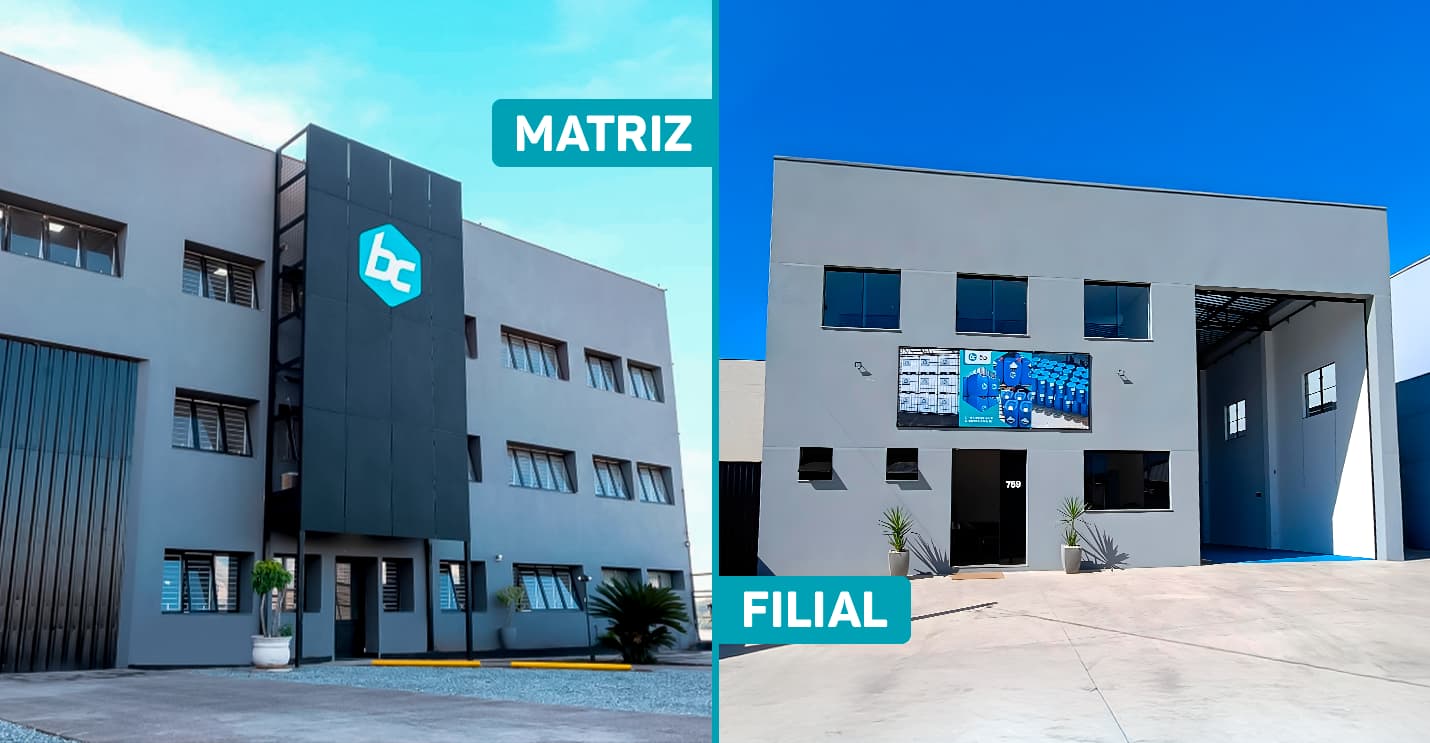
Boreto & Cardoso has been distributing industrial chemicals for more than 53 years, with its head office in Santana de Parnaíba (SP) and a branch in Limeira (SP). The company is ISO 9001:2015 certified by GSC Certificadora, under registration BR.087.25, which underpins its quality management processes.
For operations that rely on sulfuric acid as the acidulating agent in single superphosphate production, concentration consistency between lots and the technical documentation that comes with each shipment are as important as the price of the input. Boreto & Cardoso provides certificates of analysis and lot traceability for Sulfuric Acid 98%. This documentation supports quality control for those who run this type of industrial process.
Request a No-Obligation Quote
Get in touch to request:
- A detailed quote for specific products
- Technical information about applications
- Certificates of analysis and documentation
- Special terms for regular purchases
Contact channels:
📞 (11) 3931-1722 | (11) 2366-6260 📱 WhatsApp: (11) 93931-1722 | (11) 98366-6260 📧 boreto@boreto.com.br
Addresses:
📍 Head office: R. Alagoas, 30 - Santana de Parnaíba - SP 📍 Branch: R. Aratibá, 759 - Limeira - SP
Business hours: Monday to Friday: 8 a.m. to 6 p.m. | Saturday: 8 a.m. to 12 p.m.
Note to the Reader This article brings together technical information drawn from various sources, with the aim of broadening knowledge of the raw materials mentioned. It is for information only and does not represent, on the part of Boreto & Cardoso, any indication of application, formulation or direct recommendation for use. Boreto & Cardoso®, with more than 50 years of experience, operates strictly as a supplier of chemicals for a wide range of applications, and each user is responsible for verifying the suitability and compliance of their own application.