Ammonium sulfate is one of the most widely used nitrogen fertilizers for crops that need a steady supply of sulfur in addition to nitrogen. Unlike urea or ammonium nitrate, which supply nitrogen alone, ammonium sulfate delivers both nutrients in a single granule, which simplifies fertilization logistics in many field situations.
The industrial production of this fertilizer relies on a conceptually simple chemical reaction: the neutralization of sulfuric acid with ammonia. Despite this conceptual simplicity, the practical result at industrial scale depends on process control and, above all, on the quality and concentration of the sulfuric acid used as raw material. For anyone who monitors or specifies this input, sulfuric acid quality and concentration weigh directly on the outcome of the reaction and on the quality of the final ammonium sulfate.
The neutralization reaction between sulfuric acid and ammonia
Sulfuric acid (H2SO4) is a strong, diprotic mineral acid, able to donate two hydrogen ions per molecule. Ammonia (NH3), in turn, is a weak base in aqueous solution. When the two substances react, a classic acid-base neutralization takes place: the hydrogen ions from the sulfuric acid combine with the ammonia to form the ammonium ion, which then pairs with the sulfate ion left from the acid. The product of this reaction is ammonium sulfate, a crystalline salt that is solid at ambient conditions.
Because sulfuric acid is diprotic, each molecule of the acid can neutralize two molecules of ammonia, which sets the stoichiometric ratio of the reaction. In an industrial process, the ammonia (usually as a gas or in aqueous solution) is brought into controlled contact with the sulfuric acid inside a reactor, under temperature and agitation conditions that ensure complete neutralization and proper crystallization of the salt formed.
The acid-base neutralization reaction is exothermic, as is the dilution of sulfuric acid in water. This released heat has to be managed in the design of the industrial process, both for safety reasons and to control the crystallization rate and, consequently, the size and uniformity of the final product's granules.
The safety rule that applies to any handling of concentrated sulfuric acid also applies here: when diluting or preparing solutions, always add the acid to the water slowly, never the other way around. This practice prevents the sudden release of heat and the spattering that can occur when water is added directly to concentrated acid.
Why ammonium sulfate is valued as a fertilizer
Nitrogen is the macronutrient most crops require in the largest quantity, responsible for central processes such as chlorophyll synthesis and vegetative growth. Ammonium sulfate supplies this nitrogen in ammoniacal form (NH4+), which tends to be held in the soil more than nitrate forms. This reduces leaching losses in certain soil types and management systems.
What sets ammonium sulfate apart from other nitrogen sources is the sulfur it carries along. Sulfur is a secondary macronutrient essential for the synthesis of amino acids and proteins in plants, and it also takes part in other metabolic pathways of plant development. In soils or cropping systems with a history of sulfur deficiency, a nitrogen source that already supplies this second nutrient reduces the need for separate additional applications.
This combination of nitrogen and sulfur in a single molecule is the main reason ammonium sulfate remains competitive in the fertilizer market, even against more concentrated nitrogen sources such as urea. In fertilization programs that already supply sulfur by other means, the choice of nitrogen fertilizer usually weighs other factors, such as cost per unit of nutrient and the physical characteristics of the granule.
Specifications and quality of the sulfuric acid used in the process
The quality of the ammonium sulfate produced depends directly on the characteristics of the sulfuric acid used as raw material. The most common industrial grade for this type of application is 98% Sulfuric Acid, a viscous, dense, oily liquid, colorless to slightly yellowish, with a density close to 1.84 g/mL.
Acid concentration directly affects the stoichiometry of the neutralization reaction with ammonia. An acid whose concentration varies from lot to lot forces the operator to recalculate dosages constantly to keep the correct ratio between acid and base, with the risk of incomplete neutralization (leaving residual ammonia or acid in the reaction medium) or wasted raw material.
Sulfuric acid is also highly hygroscopic: improper exposure to moisture during storage or transport can change the product's actual concentration before it even reaches the reactor. When this happens, process control is compromised from the start.
Impurities in sulfuric acid can, depending on their nature, affect the purity of the final ammonium sulfate, especially in applications that require low contaminant levels. That is why industrial-scale neutralization processes depend on clear technical documentation, with a certificate of analysis for each lot, and on consistency between successive loads throughout the supply relationship.
How is sulfuric acid used to produce ammonium sulfate?
Sulfuric acid reacts directly with ammonia in an acid-base neutralization process. The hydrogen ions from the sulfuric acid combine with the ammonia to form the ammonium ion, which pairs with the remaining sulfate ion. The result is ammonium sulfate, a solid crystalline salt. The reaction is carried out in an industrial reactor under controlled temperature and agitation, since it is exothermic.
Why is ammonium sulfate considered a dual nutrient source?
Because it supplies both nitrogen, in ammoniacal form, and sulfur, which come from the ammonia and the sulfuric acid used to make it, respectively. Nitrogen is a primary macronutrient essential for vegetative plant growth, while sulfur is a secondary macronutrient needed for the synthesis of amino acids and proteins. Delivering both in a single fertilizer simplifies fertilization programs in soils that need both nutrients.
Does sulfuric acid concentration affect the quality of the ammonium sulfate produced?
Yes. Sulfuric acid concentration determines the stoichiometry of the neutralization reaction with ammonia. Concentration variations between lots require constant dosage adjustments to avoid incomplete neutralization or wasted raw material, which can compromise the consistency and purity of the ammonium sulfate obtained. That is why the technical specification and lot documentation of the sulfuric acid matter as much as reaction control itself for anyone running this process.
Boreto & Cardoso: sulfuric acid with technical documentation for ammonium sulfate production
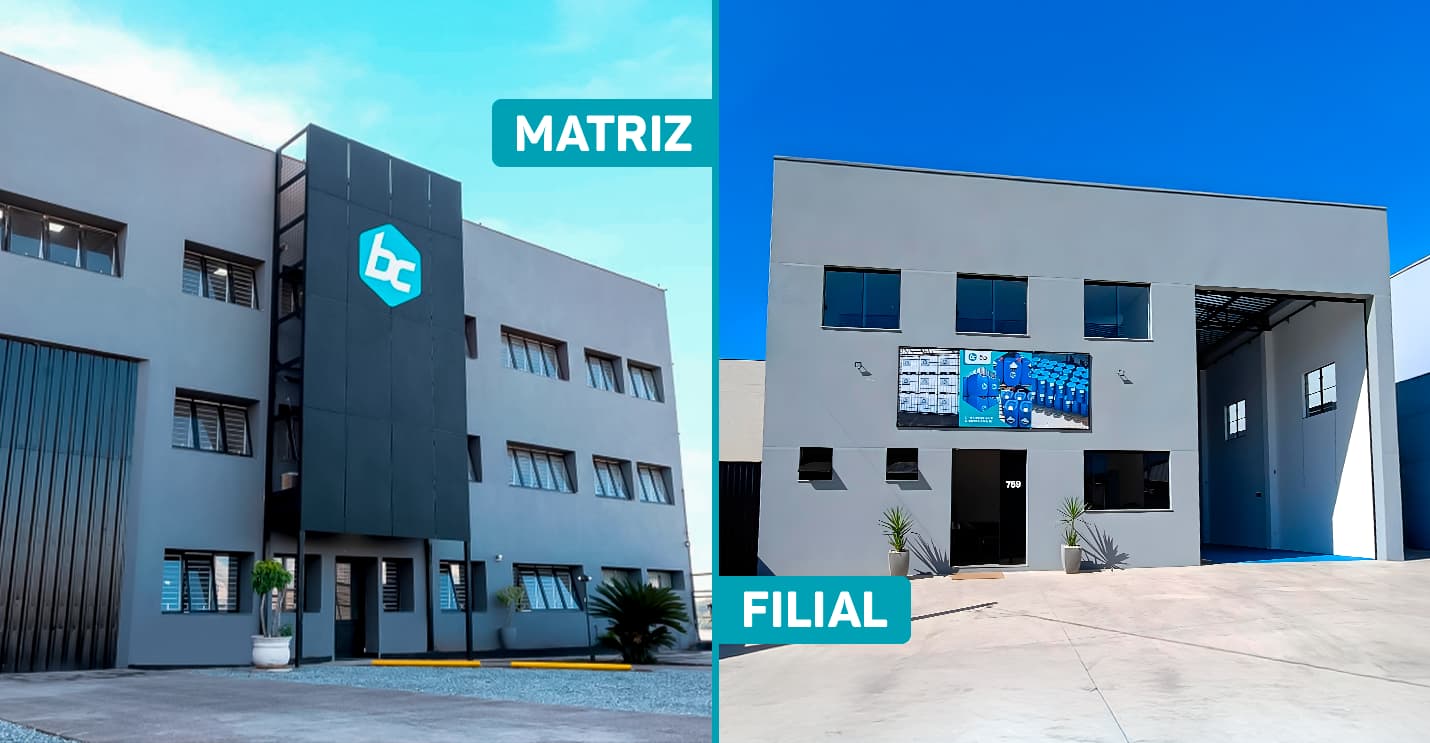
Boreto & Cardoso has been distributing industrial chemical inputs for more than 53 years, with its head office in Santana de Parnaíba (SP) and a branch in Limeira (SP). The company is ISO 9001:2015 certified by GSC Certificadora, under registration BR.087.25.
For operations that use sulfuric acid as raw material for neutralization with ammonia, the lot traceability and certificate of analysis that come with each load are part of process quality control. Boreto & Cardoso provides lot traceability and a certificate of analysis for 98% Sulfuric Acid, supporting operations that depend on consistent concentration and reliable technical information.
Request a No-Obligation Quote
Contact us to request:
- A detailed quote for specific products
- Technical information on applications
- Certificates of analysis and documentation
- Special terms for regular purchases
Contact channels:
📞 (11) 3931-1722 | (11) 2366-6260 📱 WhatsApp: (11) 93931-1722 | (11) 98366-6260 📧 boreto@boreto.com.br
Addresses:
📍 Head office: R. Alagoas, 30 - Santana de Parnaíba - SP 📍 Branch: R. Aratibá, 759 - Limeira - SP
Business hours: Monday to Friday: 8 a.m. to 6 p.m. | Saturday: 8 a.m. to 12 p.m.
Note to the Reader This article brings together technical information drawn from various sources, with the aim of broadening knowledge about the raw materials mentioned. It is informational material only and does not represent any application, formulation or direct use recommendation on the part of Boreto & Cardoso. Boreto & Cardoso®, with more than 50 years of experience, operates strictly as a supplier of chemical inputs for a wide variety of applications, and each user is responsible for verifying the suitability and compliance of their application.